

Ashleigh Nelson’s new quest
When Ashley Nelson did not make the GB team For the Paris Olympics, she was 33 and felt that it was time to pull the curtain down on an illustrious career and, Heaven forbid, get a proper job. Then she was invited to try out with the British bobsleigh team and any thought of retiring from sport was put on the back burner.
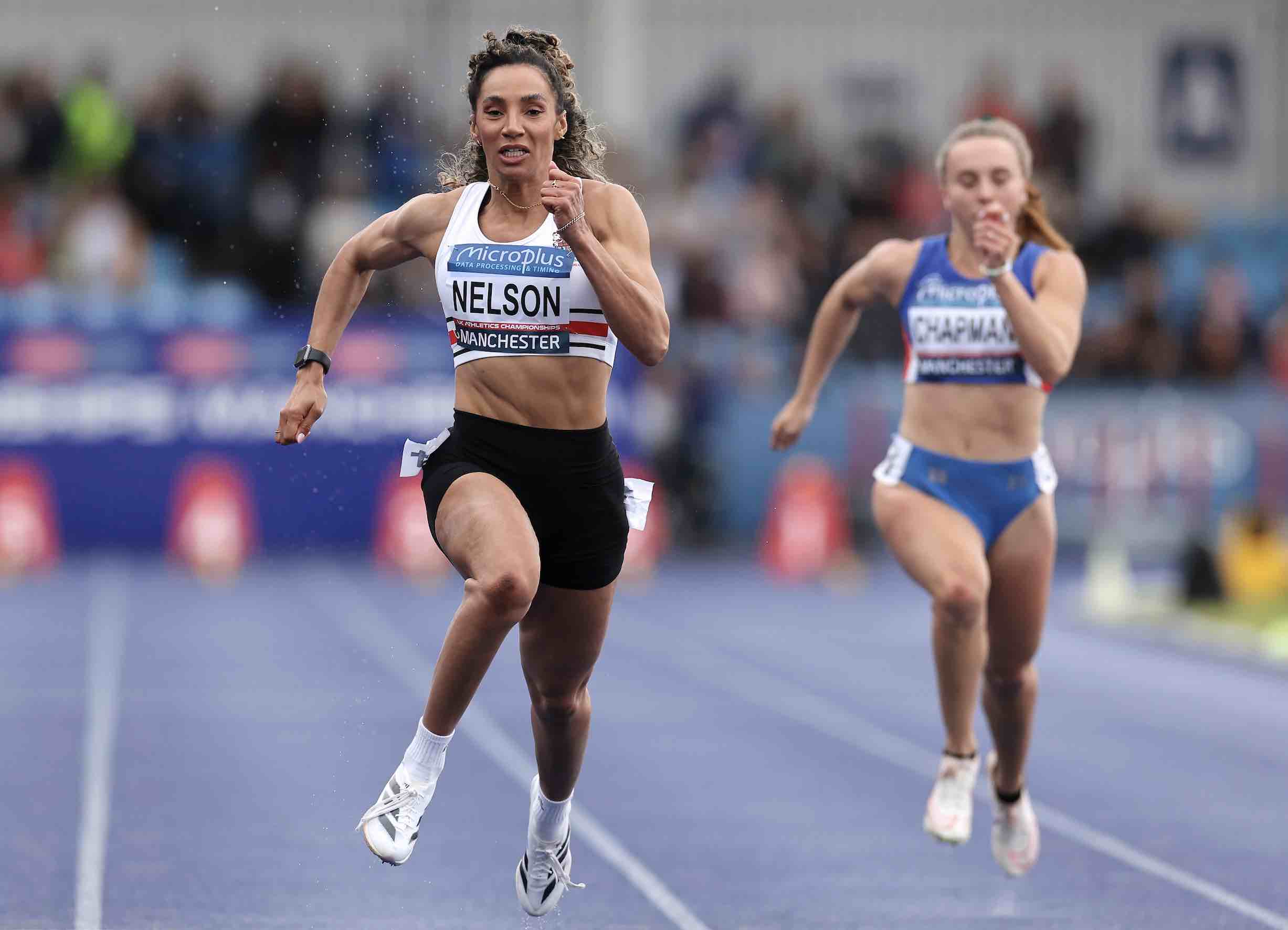
Ashleigh had a successful career as a British sprinter. The highlight was winning a bronze medal in the 100m in the 2014 European Championship. She also won relay medals – Gold at European Championships and Commonwealth Games, silver and bronze at world championships. She was also in the GB team for the 2008 and 2020 Olympics.
The try-out for the GB bobsleigh team was sufficiently successful for her to be added to the team and for her to compete in the 2024 World Championships. Ashleigh describes the process in a very matter-of-fact fashion: “Adelé Nicoll the GB pilot invited me. I went down to Bath and gave it a try and I was actually quite good at it. After that they said: ‘you are quite good on the track. Do you want to gave it a go on the ice?’ I was also good on the ice and they made me part of the team. Nine months after that try-out in Bath I was on my way to the World Championships in Lake Placid, USA”. A seventh place finish in Lillehammer for Nelson and Nicoll – Nicoll’s best result of the season – had helped secure selection for the Worlds.
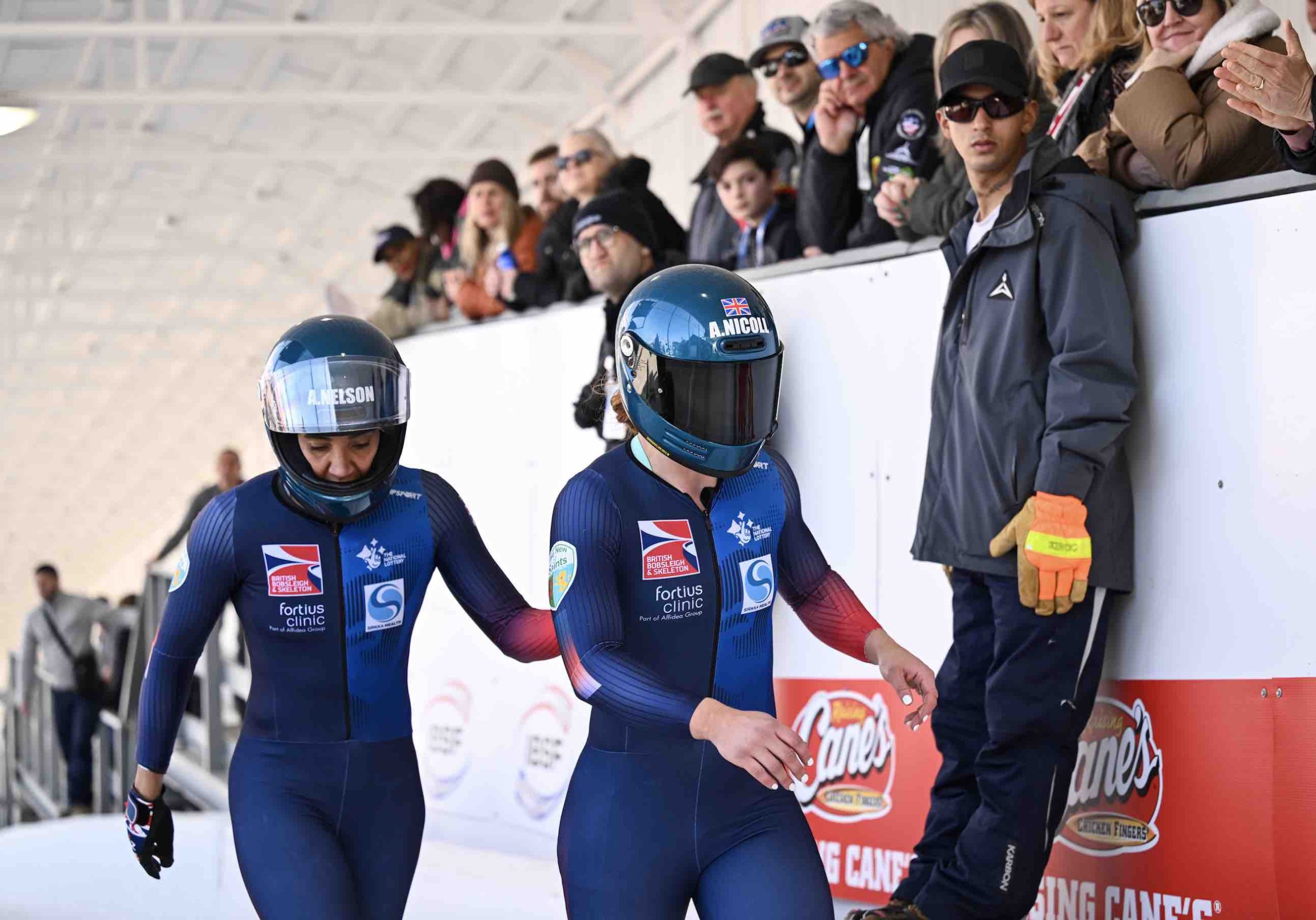
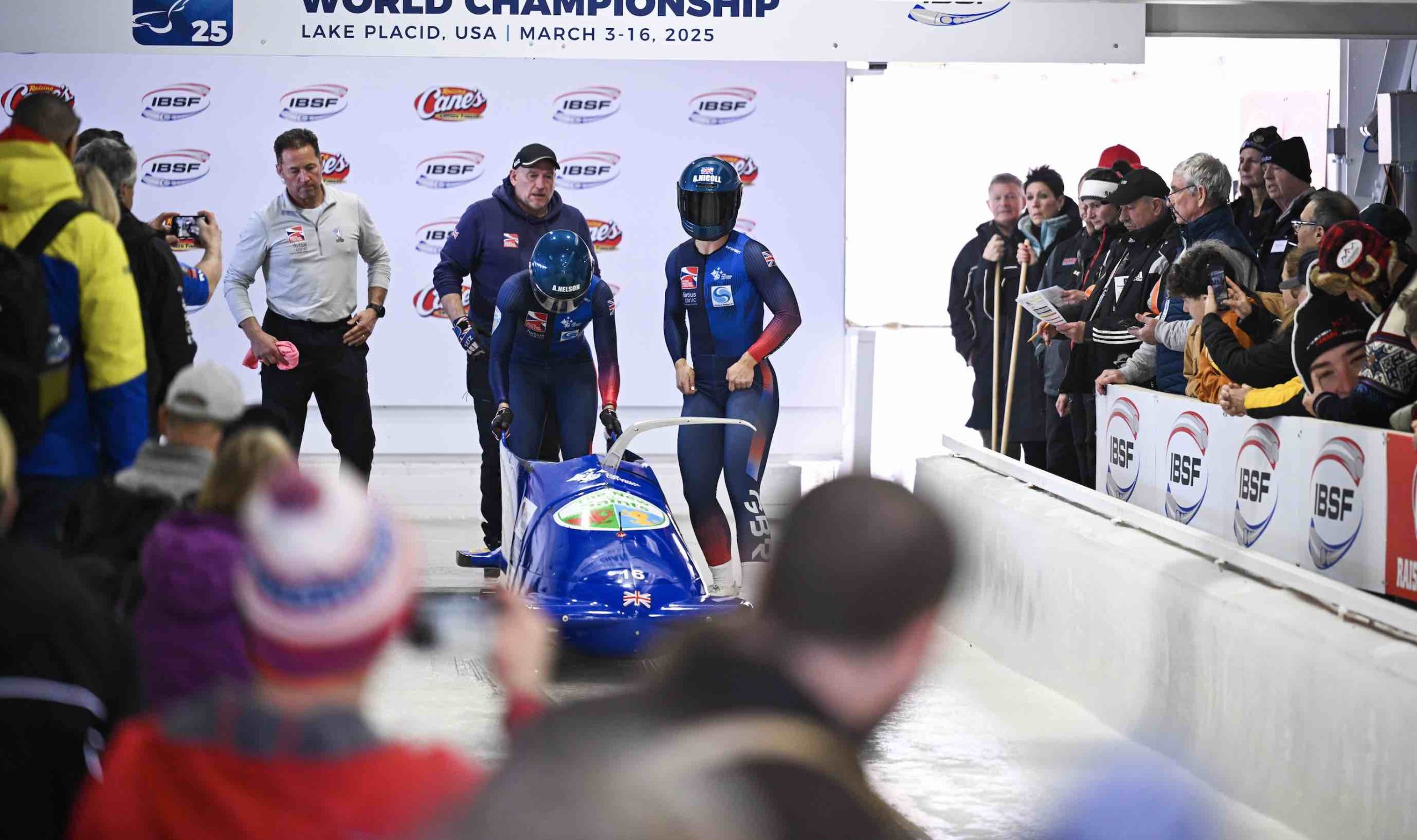
Adelé Nicoll is the pilot or driver and Ashleigh the brakewoman in the two-women bob. Ashleigh explains her role: “Adelé and I push off the sled together. Adele jumps in and I push for a few more steps to keep the sled going as fast as possible and then I jump in too. At the end Adelé shouts loudly ‘Brake! Brake!’ and I pull the brake which is essentially like a dead lift of about 170 KG. As we are going about 80mph you can imagine that it is a pretty epic deadlift at the end”.
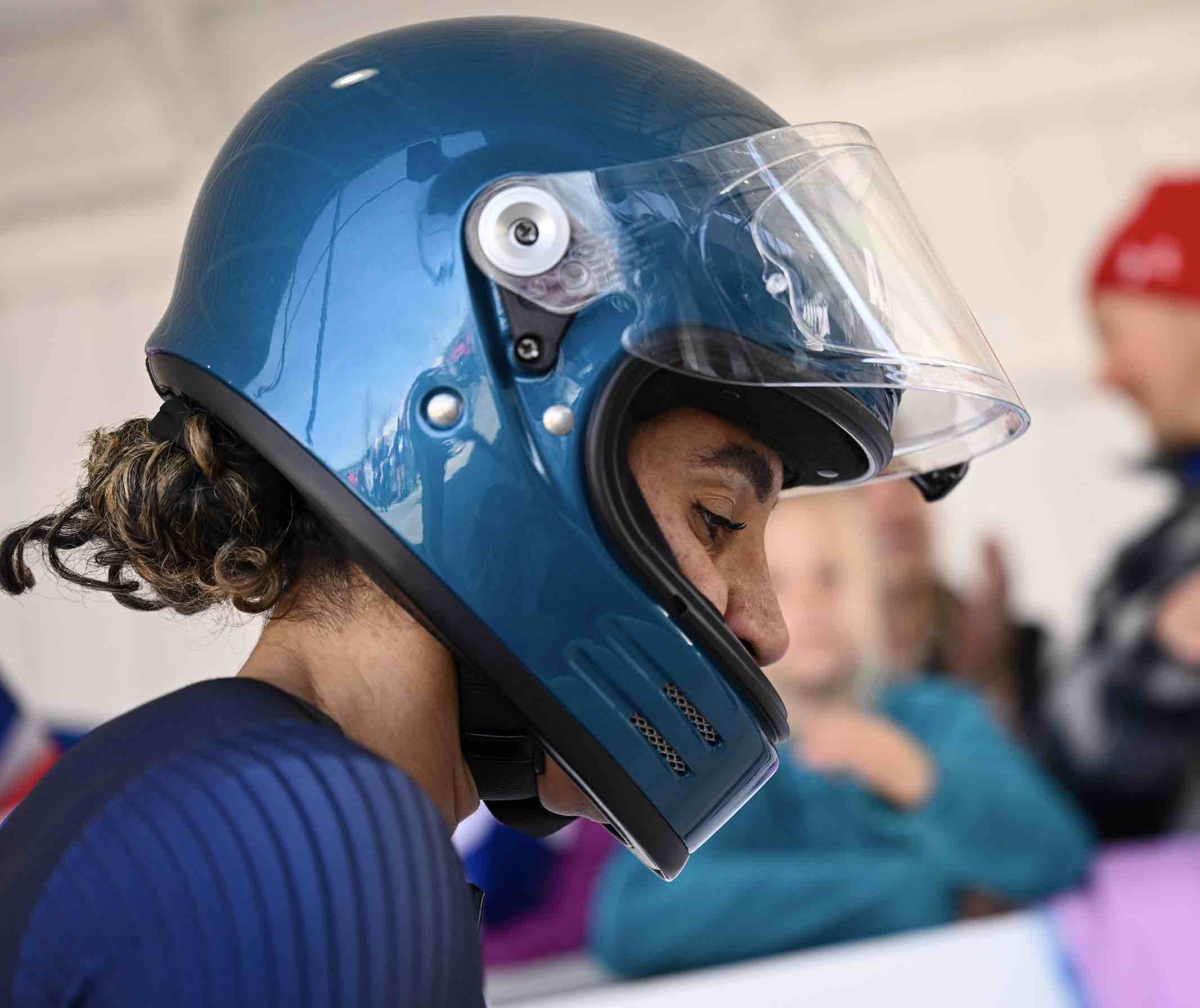
Hurtling down a mountain at 80mph in a small bobsled seems quite terrifying, I wondered if it felt that way to Ashleigh who is relatively new to it. “It was scary the first couple of times. But Adelé is a brilliant pilot and I trust her with my life. I don’t think I realized how dangerous it was until later on in the season when I saw that there were some crashes and people can come out of the sled. Fear of what could happen is more scary than the actual feeling during the run, if that makes sense”.
Ashleigh is following in the footsteps of other Olympic sprinters such as Montell Douglas and Lauryn Williams in competing as sprinters and brakewomen. Ashleigh sees several transferable skills: “The first requirement is speed so it you have been a successful sprinter you can carry that over and if you are able to learn the techniques of bobsleigh you will be successful. I also bring experience of elite sport and hopefully also a bit of wisdom. The other brakewoman in the squad is only 20. Sometimes I can help because I have been there and done it at the elite level in athletics. I can add that experience perspective. I think the reason I am good at this is because I have learnt so much through track and field. It taught me team-work, patience, athletics showed me who I am and how much I am prepared to push myself. So all those elements and that armour allows me to do bobsleigh at a good level”.
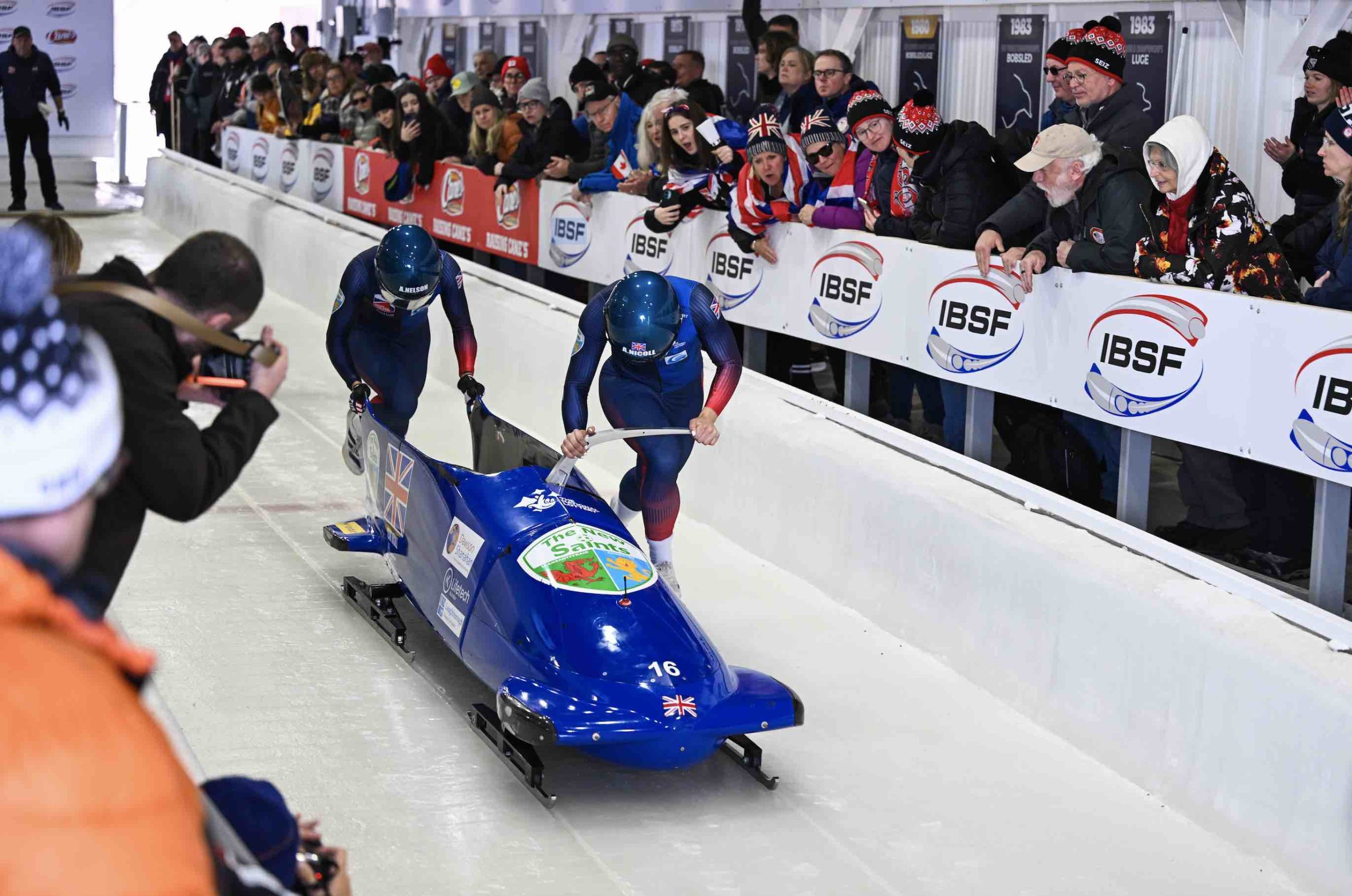
Bob-sled training is a combination of speed, strength and technique – technique in the sense of the art of pushing the sled. Ashleigh explains that is not just running but it is really “technical movement”. Strength is important as the sled weighs up to 375 pounds! Ashleigh describes training as “exciting”. I can see that hurtling down a mountain at 80 miles an hour, would have an excitement the running laps off the track in Stoke-on-Trent might not!
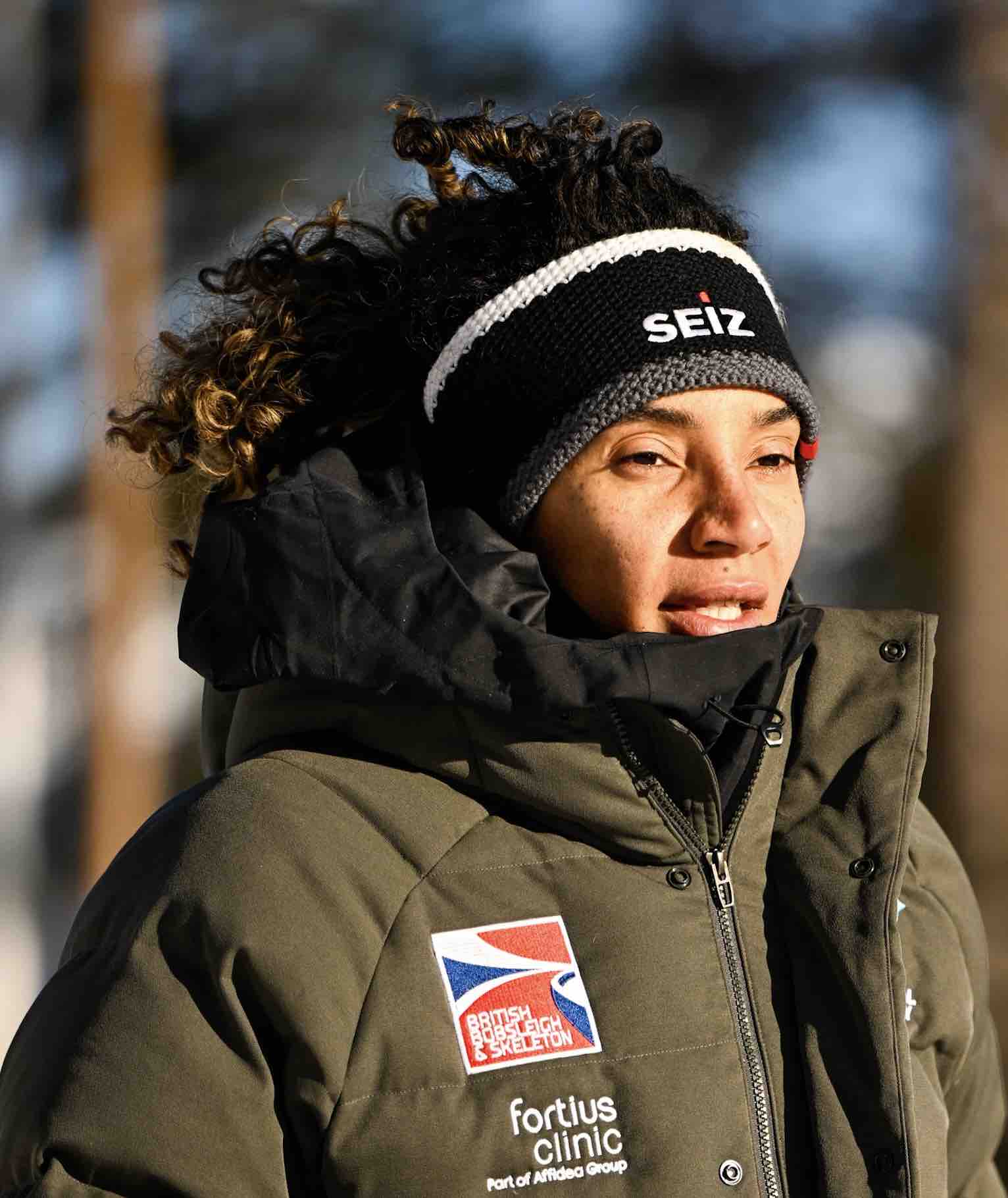
Athletics is an individual sport but, for sprinters, with the additional team aspect of relays. But, Ashleigh points out that it is an altogether more serious type of teamwork: “From running relays I am used to teamwork but this is a different kind of teamwork. In a relay you have the baton and you want the best for your team but it feels a bit different when you are in a sled going at 80mph down a mountain. There is a whole different level of trust because if you drop the baton in a relay, it’s game over and its upsetting and very difficult but if something goes wrong in the sled you can get seriously hurt so it’s a whole different level of trust and team bond”.
Ashleigh’s hopes are for a good winter’s training ultimately leading to selection for the 2026 Winter Olympics.
Montell Douglas
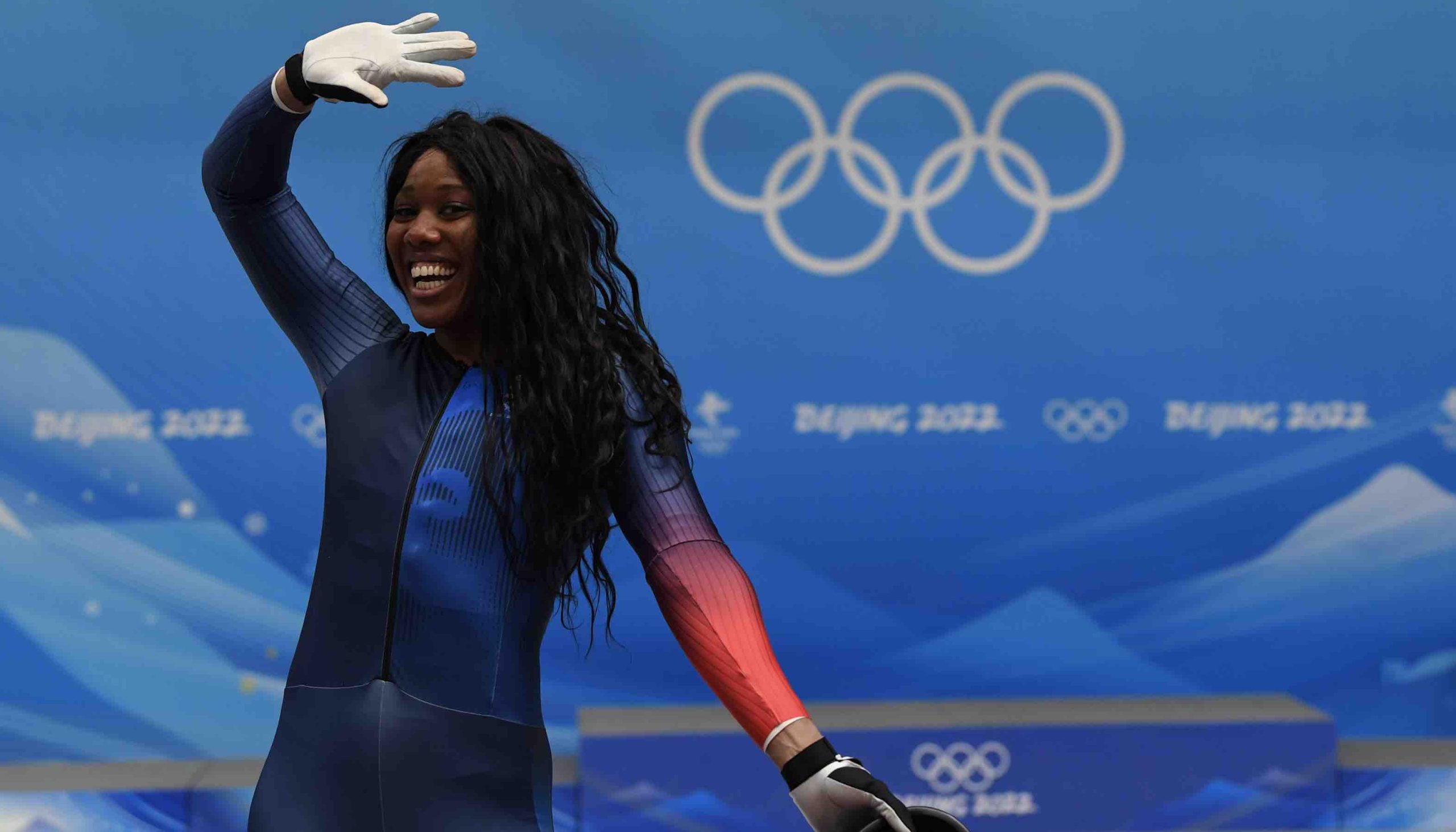
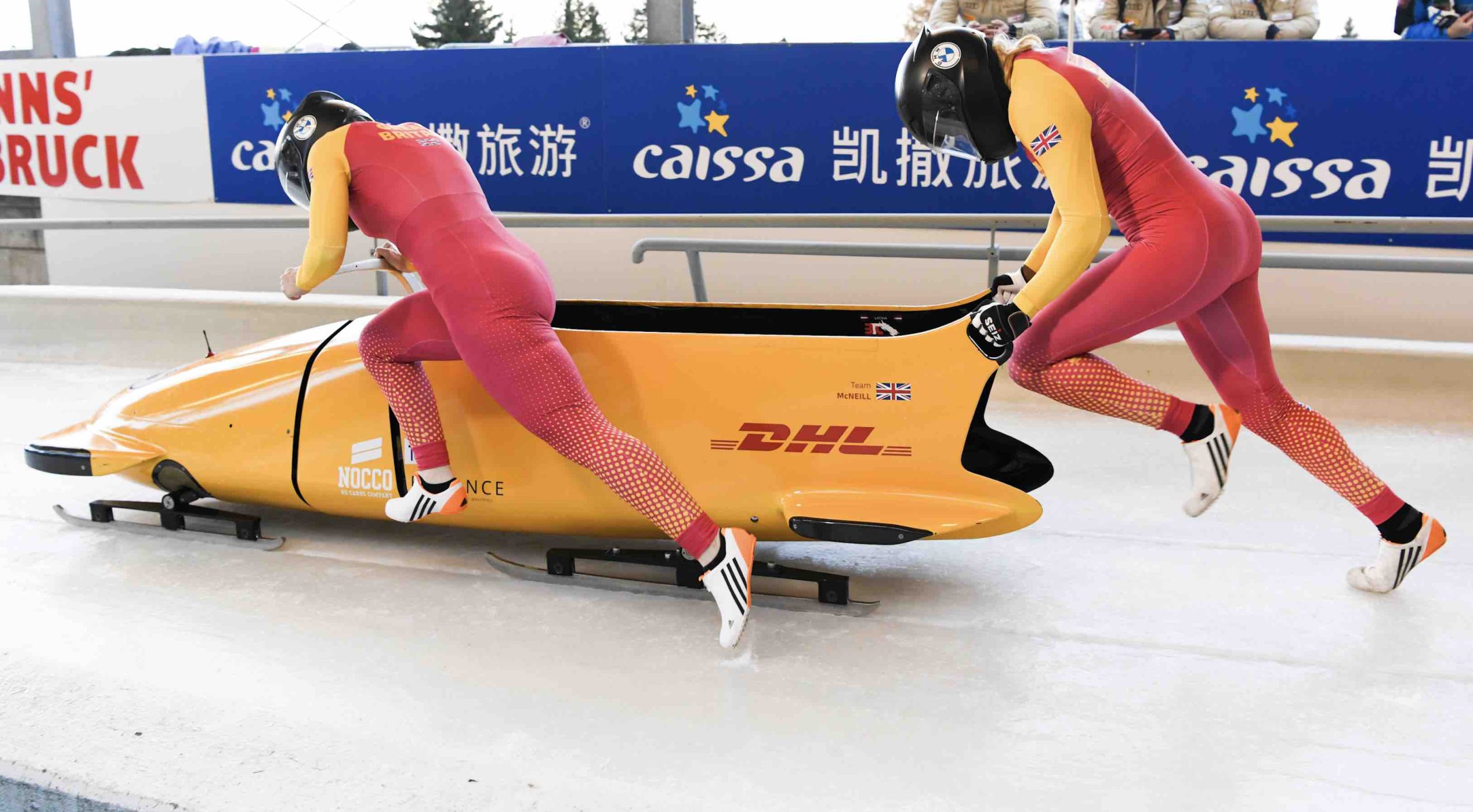
Montell Douglas competed in 2008 summer and 2022 winter Olympics, both in Beijing. In 2008 she was a sprinter and in 2022 in the bobsled. One difference was the temperature 38 in summer but -26 in the winter games. Monty told me how it came about: “I was recruited by one of the coaches who was from an athletics background. They were looking for bigger, faster, stronger girls – because the start is so important. And I was one of a few girls who were brought in and I managed to make the team for Pyeongchang (2018 Winter Olympics) in the reserve slot. In the following year I had my first season, which was mainly tests and trials and you hit marks and I knew that I was compatible but I had a lot to learn. There I was, 29 years old, learning a new sport. There’s more to it than just sprinting behind the bob! It also depends what kind of athlete you are. In an Olympic final eight girls line-up but they’re different kinds of athlete – some taller, some smaller, some stronger – each with different attributes. And I had to work on developing my attributes a lot”.
Lauryn Williams
Lauryn has Olympic medals as a sprinter and also a silver medal in winter Olympics. Lauryn saw the end of her track career coming, She had one year left on her contract as a Saucony athlete and had decided not to seek a renewal. She got injured in that last season and was treated by a physiotherapist. Lauryn told him that she was retiring but she had received information about bobsled and was intrigued. The physio replied: “I’m a bobsled coach”. It got better when he invited her to try out.
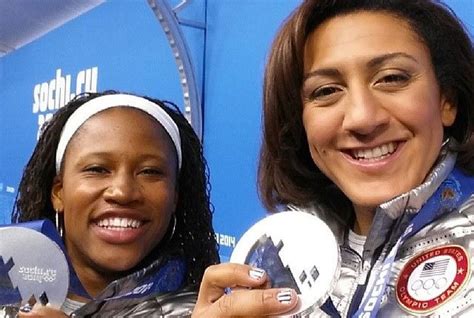
Remarkably the track injury did not hamper her in the winter sport as she explains, “It turned out that the injury that bothered me in track, didn’t hurt in the position that you have to be in for bobsled so I could actually run full of speed behind the bobsled, whereas I couldn’t get to that full same full speed in track and field”.