

Tashina Alase keeps Southern’s NCAA dream moving in Lexington
Tashina Alase came into the NCAA East Regionals with one of the fastest 100m hurdles times in the country and a season that had already made people pay attention to Southern University.
In Lexington, Kentucky, she took the next step.
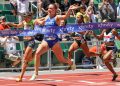
Running in the first round of the women’s 100m hurdles, Alase clocked 13.00 seconds to move through to the next round and keep her hopes of qualifying for the NCAA Championships alive. For an athlete making her first appearance on this stage, the race held great meaning, and she handled it with the calm of someone who has learned to stay focused on the task at hand.

Coming into the meet, Alase was already one of the biggest stories in the event. Her 12.64 seconds at the SWAC Outdoor Track and Field Championships placed her at the top of the NCAA list this season and among the best hurdlers in the world. That performance also made her the fastest HBCU hurdler in history and gave Southern one of its strongest national track-and-field moments in recent years.
For Alase, the mindset in Lexington was simple.
“Coming into this race, I really tried to have the mindset of it’s just another regular meet,” Alase said. “Just because it might seem like a bigger stage, that doesn’t necessarily need to change anything. So just staying consistent was the plan coming into here.”
That approach showed in the way she managed the first round. The women’s 100m hurdles is a race that leaves very little room for adjustment once the gun goes off, so the most important thing in the opening round was to stay clean over the barriers, keep her rhythm, and make sure she advanced. Alase did that, and now she has another opportunity to move closer to Eugene.
Her presence here means even more because of the road that brought her back to this point. Last outdoor season, Alase was away from competition after a car accident left her with a crushed big toe. For any athlete, that kind of setback can be difficult. For a hurdler, it affects rhythm, power, confidence, and the ability to trust every step over the hurdle.
This year, she has come back with the kind of form that has changed her profile in the NCAA. Earlier in the season, she ran 12.71 at the LSU Alumni Gold, which announced her as one of the best hurdlers in the country. Then she dropped 12.64 at the SWAC Championships, a performance that moved her from being a conference standout to a national title contender.
The journey has also placed a bigger spotlight on HBCU track and field. Alase is doing this from Southern University, carrying the SWAC into the national sprint-hurdles conversation and showing younger athletes that their school or conference does not limit what they can pursue.
“It doesn’t really matter where you’re at,” Alase said. “If you have a goal, there’s no goal you can’t reach as long as you believe in yourself.”
That belief has become a major part of her season. Alase has had to rebuild from injury, regain her racing rhythm, return to the highest level, and manage the attention that comes with being one of the fastest hurdlers in the NCAA. Through all of that, she has kept the focus on competing and allowing each race to take her closer to where she wants to be.
#inthemixedzone, Tashina Beyioku Alase, of Southern University is a 100m hurdle star, interviewed by Deji Ogeyingbo at the Day 2 of the NCAA regional , May 29, 2026.
Watch for our story later tonight! #tashinaalase, #southernuniversity , #ncaaregionals, pic.twitter.com/aRONaJ2Yn2
— RunBlogRun (@RunBlogRun) May 30, 2026
Her story is also a reminder that success does not always arrive through the most visible pathway. Many athletes at this stage come from programs with deeper resources, larger budgets, and stronger national visibility. Alase has built her season from Southern, and each performance has helped show that elite hurdling can come from any environment when the athlete is talented, disciplined, and committed to the work.
In Lexington, she did not need to run another 12.64 to make a statement. The first round was about advancing, and she did enough to earn another race. Now the next task is clear. Alase will need another clean race in the quarterfinals to secure her ticket to Eugene. For Alase, the plan remains simple.
“The plan is to just keep competing and just see where it takes me,” she said.
That mindset has carried her from injury recovery to the top of the NCAA list, from the SWAC Championships to the NCAA East Regionals, and now to the edge of a possible trip to Eugene.