
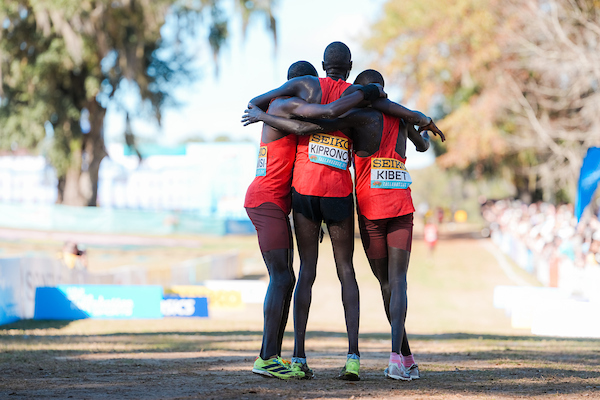
Kenya is undoubtedly a global superpower in athletics. It has at times been referred to as the “main granary” of world-class runners. However, there is still room to grow the sport further in the country and beyond and prevent it from shrinking.
Kenya’s advantage over other nations is the depth of its talent. There is no other place in the world that has the highest concentration of the world’s fastest runners.
Unfortunately, factors such as poor leadership, poor public relations skills among runners, inadequate training facilities, a shortage of qualified support personnel around runners, and the doping menace, among others, are derailing the growth of athletics in the country.
Below are some ways in which Kenya could further grow the sport of athletics
-
Diversify beyond distance running
Some Kenyan athletes have proven that Kenyans are not just talented in long-distance running. By running 9.77 in the 100m, Ferdinand Omanyala is a testament to the fact that Kenyans can do well in the sprints, too. Julius Yego, who learned to throw the javelin on YouTube, remains the only Kenyan so far to feature in the field events at major world athletics events. By discovering that not every athlete in Kenya needs to run long distances to succeed, programs and efforts should be made to attract more throwers, jumpers and sprinters into the sport.
-
Empower personnel around the athletes to get more skills
There are rapid technological advancements that aid athletes’ performance, from shoes to training methodologies to nutrition to other aspects of athlete development. Kenya should empower coaches, administrators and other personnel working with athletes in the country for them to be able to harness the benefits that new advancements have to offer them
-
Market athletic events in the country to fans and athletes
This is straightforward. The more an athletic event is promoted across all the media channels, the more the fans and athletes will attend. Athletics officials should allocate a generous budget to marketing athletics events in the country, as this will grow the fan base and attract more sponsors to the sport.
-
Create more opportunities for athletes
One of the best ways to support athletes is to provide them with more opportunities to compete, as this will help them gauge their progress and aim to do better in other upcoming competitions. Keeping athletes training for months with no opportunities to compete may discourage them from pursuing their athletic careers. The competitions should also take place near their training bases to help them save on travel expenses.
-
The national federation should keep athletes at the centre of all decisions
Most successful businesses worldwide have their clients’ needs at the forefront of every decision. At times, officials may be undecided whether to host an athletic event at a venue with fewer athletes to make their work easier, or at one with so many athletes that it would take many days to complete. The convenience of athletes should always come first.
-
Work well with local sponsors
Local companies are always on the lookout for partnerships to market their brands. Kenyan athletes are the best bet, provided they are approached by the right people in management and good terms are negotiated so everyone wins in the end.
-
Make the organisation, management and results of any athletic event more credible
Both amateur and professional athletes nowadays seek to have credible results and awards from the events they compete in. If it is a marathon, for example, it should have timing chips, a certified course and all the aid needed for a runner to meet their running goals and get credible results.
-
Build and maintain more training facilities in the country
During the rainy season in Kenya, runners often have nowhere to do their track workouts, as most of the facilities they use are muddy. For a country with so much pride in its runners, it should be expected that there would be many training facilities in the areas where most of them train.
-
Curb doping and protect clean athletes
While most Kenyan runners run clean and win many international races, their victories and prowess are sometimes viewed with suspicion due to ongoing doping cases in the country. The net to capture dopers should be widened to include doctors, drug suppliers, coaches, and authorities who issue business permits to pharmacies that sell the drugs. Otherwise, banning athletes alone is like aiming the fire extinguisher at the smoke rather than at the base of the fire.