

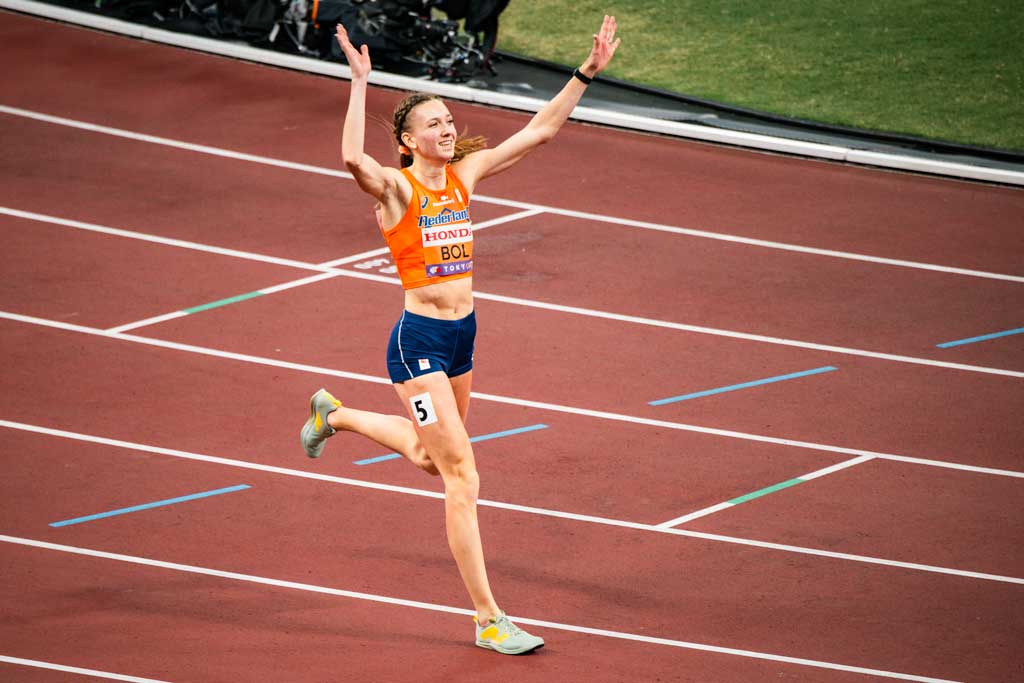
Competing is most important aspect for improving performance in athletics, still underrated in Indian athletics by athletes.
No masterclass better explains this aspect of athletics than Femke Bol’s brave decision to switch from the 400 m hurdles to the 800 m this year. While the training was changed a bit the most important part in her journey was the amount of races she decided to compete in especially in the early stages where she had no chance to be among the top finishers.
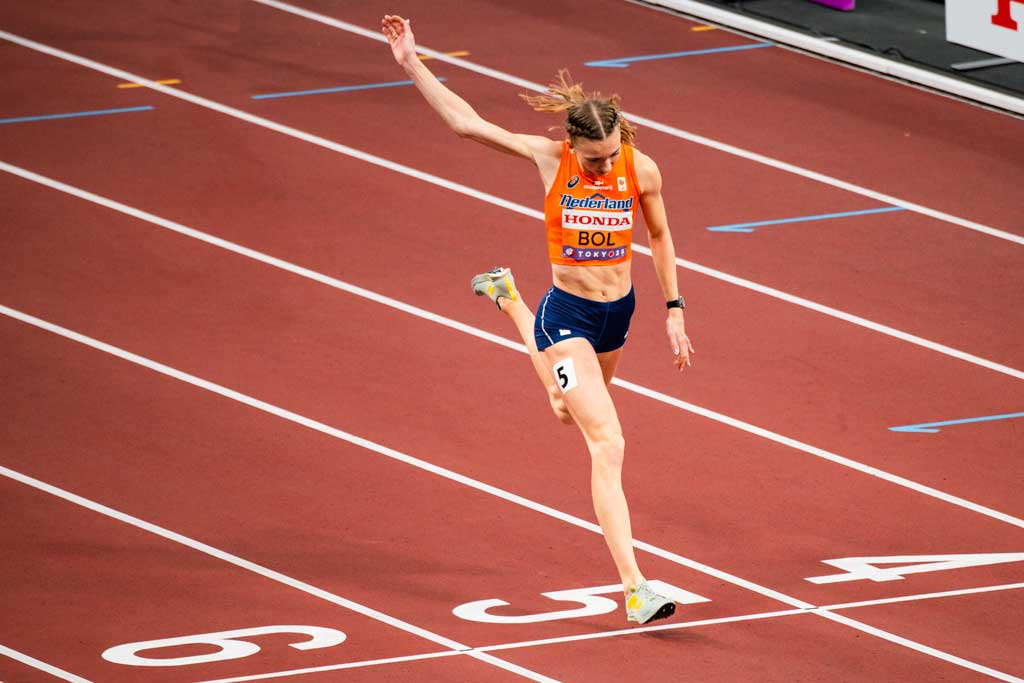
What we saw was an incredible transformation: an ordinary 800 m runner with a time of 1:59 in her first race, now almost the top 800 m runner in the world, nearly upsetting Audrey Werro in the finals of the Diamond League and clocking a phenomenal 154.7. She could even still deliver a surprise at the ultimate challenge athletics in Budapest from 11 to 13 sept.

Even as the world sees these Indian athletes continue to specialize and only run or compete in their event. Take our current 100 m fastest indian gurvindervir Singh – have you ever seen him compete in 200 m? What is the reason behind this? Running a 200 m would easily help develop his speed endurance and give him a better chance of becoming the first Indian to run below 10 seconds.
In contrast, look at what Gulveer Singh’s exposure to a great coach like Scott Simmons has done to him. Since he came under him, Gulveer has been exposed to running races other than his specialty, 5000 m and 10000 m, and today Gulveer holds all indian records from 1 mile to 25 km, and by the end of the year may be the marathon too.
There are many more such examples for Indian athletes to learn from.
My favorite one, though, remains a prediction: I hope India’s fastest woman sprinter, Aditi Rangarajan, realizes her potential and, from 100m, eventually evolves into a 400m hurdles Olympic champion.
Wait for your response in the next two to three years