
Tokyo 2025 Preview, #14: Sydney McLaughlin-Levrone
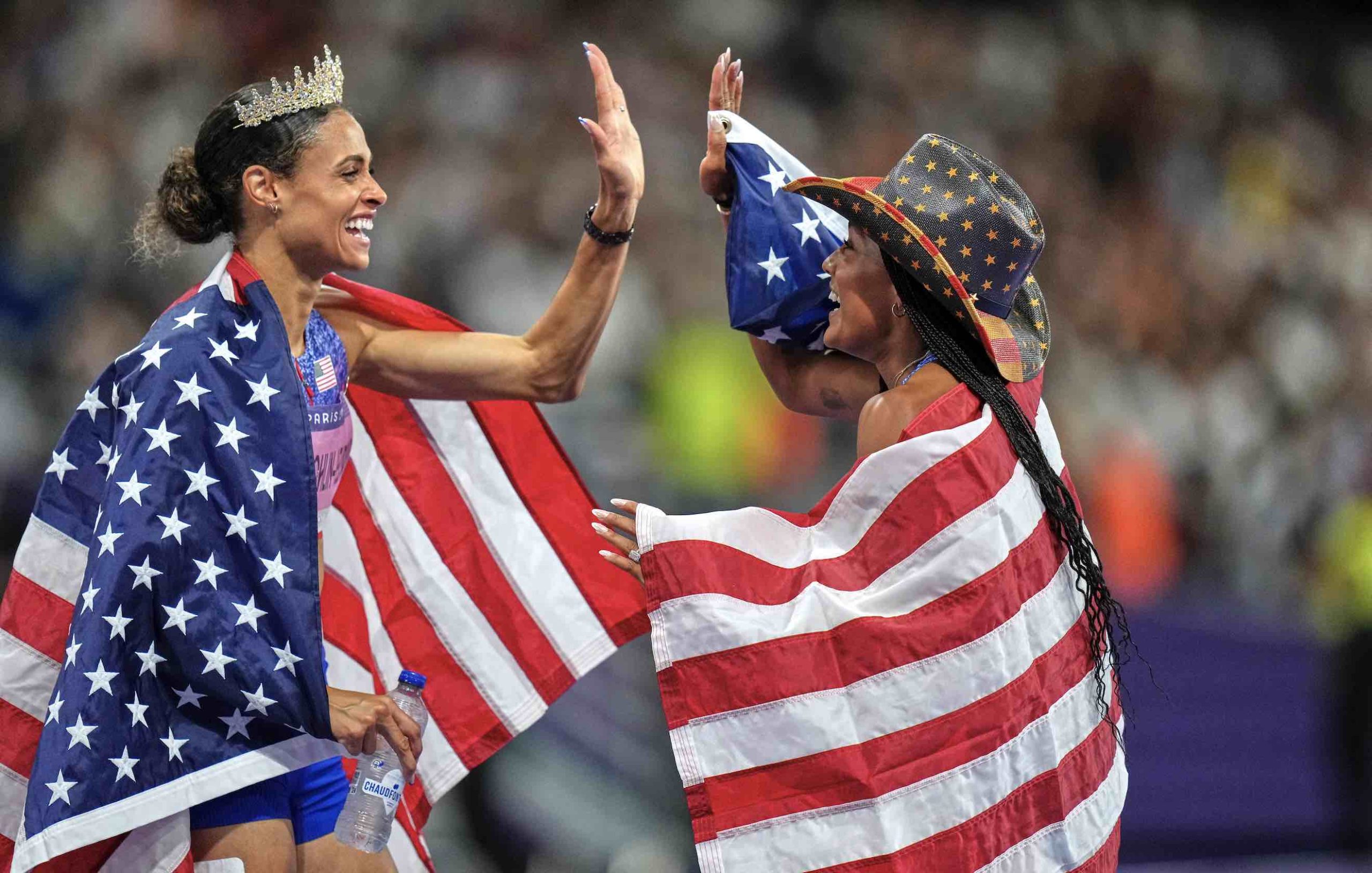
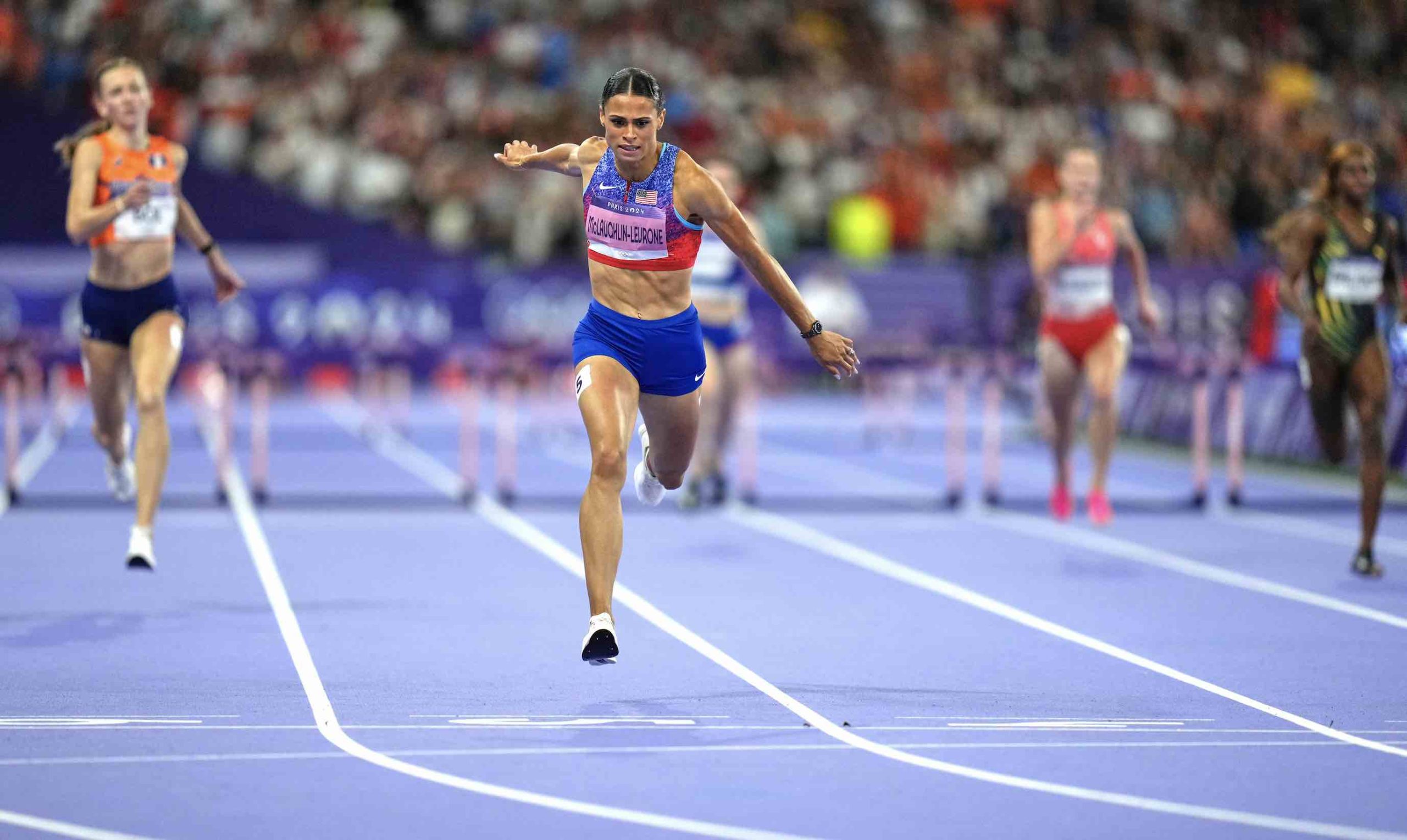
Sydney McLaughlin-Levrone is one of the most fascinating athletes on the world stage. No one who was at Tokyo 2021 or Eugene 2022 or Paris 2024 – and I was privileged to be at all three – to see her break the world record in the 400m hurdles three times will ever forget it. She is an immense talent. Yet, she is an enigma. In 2024 Sydney ran 15 times compared to fellow 400-hurdler, Femke Bol’s 32 races. For Tokyo Sydney has opted for the 400 flat. At a recent press event she answered some pertinent questions.
Why the 400 flat in Tokyo?
Sydney: It is definitely a very competitive event. Paulino and Naser are both amazing 400 runners, and I think that’s part of my excitement, being able to step into an arena that is competitive, and try to see where I fare up against the best. I’m excited for the challenge. I’m excited for a very fast race, hopefully from all three of us, and just want to put my best effort out there and show myself what I can do without the hurdles in front of me.
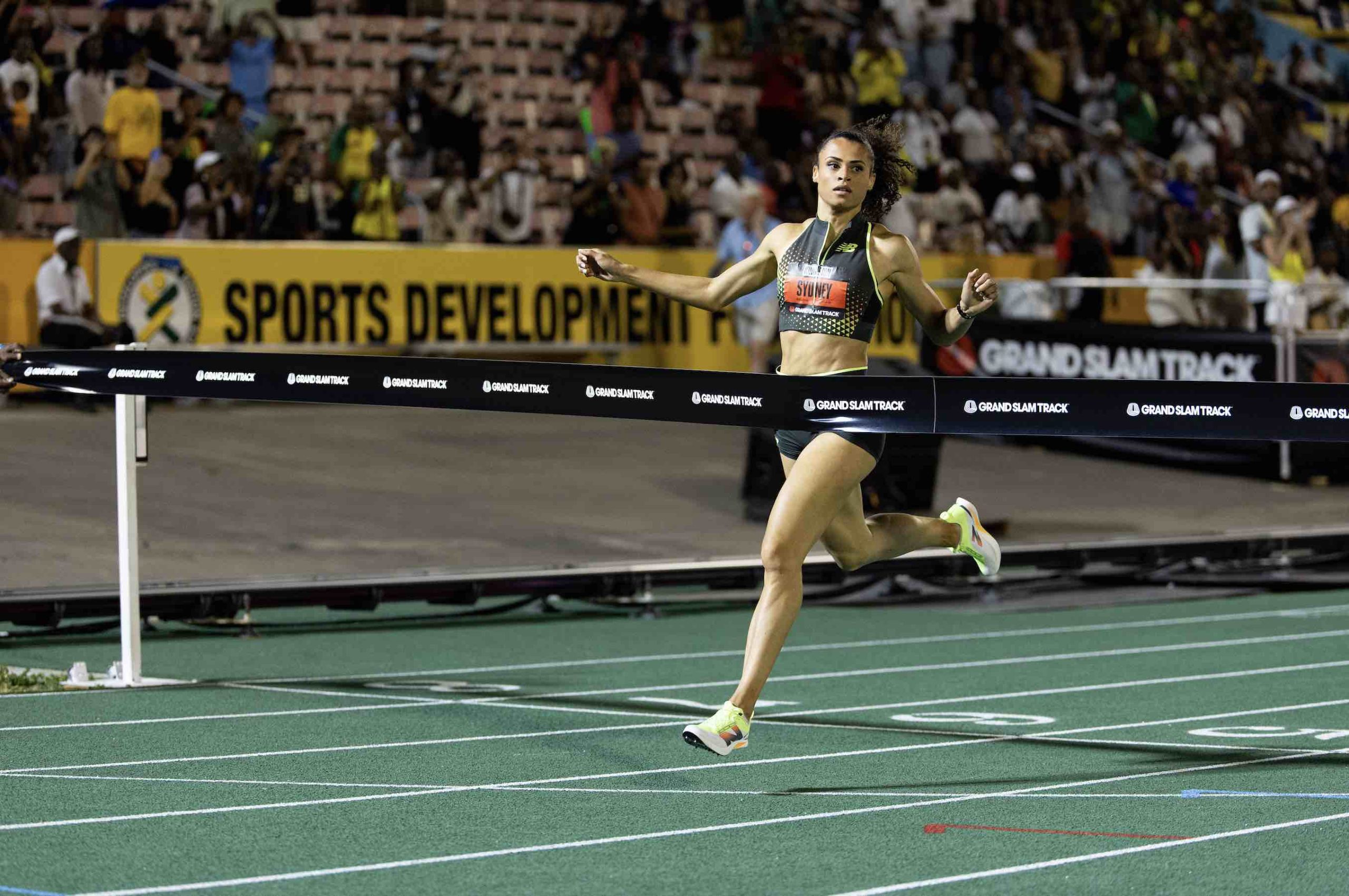
What will you run in 2028?
Sydney: I don’t know that I can speak for 2028 just yet. I think I need to get through this first and take it one season at a time. I mean the 400 hurdles, the 400 they’re so different in so many ways, but I think that’ll be a decision that we make as we get closer. There’s still more I’d love to achieve in the hurdles. That’s the funny thing about track and field, is that there’s always something you can do better. To be honest, I think I do love to challenge myself in different ways. I’ve loved the idea of stepping out into different events, challenging myself, pushing myself, seeing if I can be the best, well rounded athlete I can before I hang up my spikes. And so this was definitely a huge challenge, a huge undertaking. And I’ve learned so much about the 400, about myself, about how it’s so different from the hurdles, but I’ve loved every second of it, and I think that challenge is what makes me a competitor.
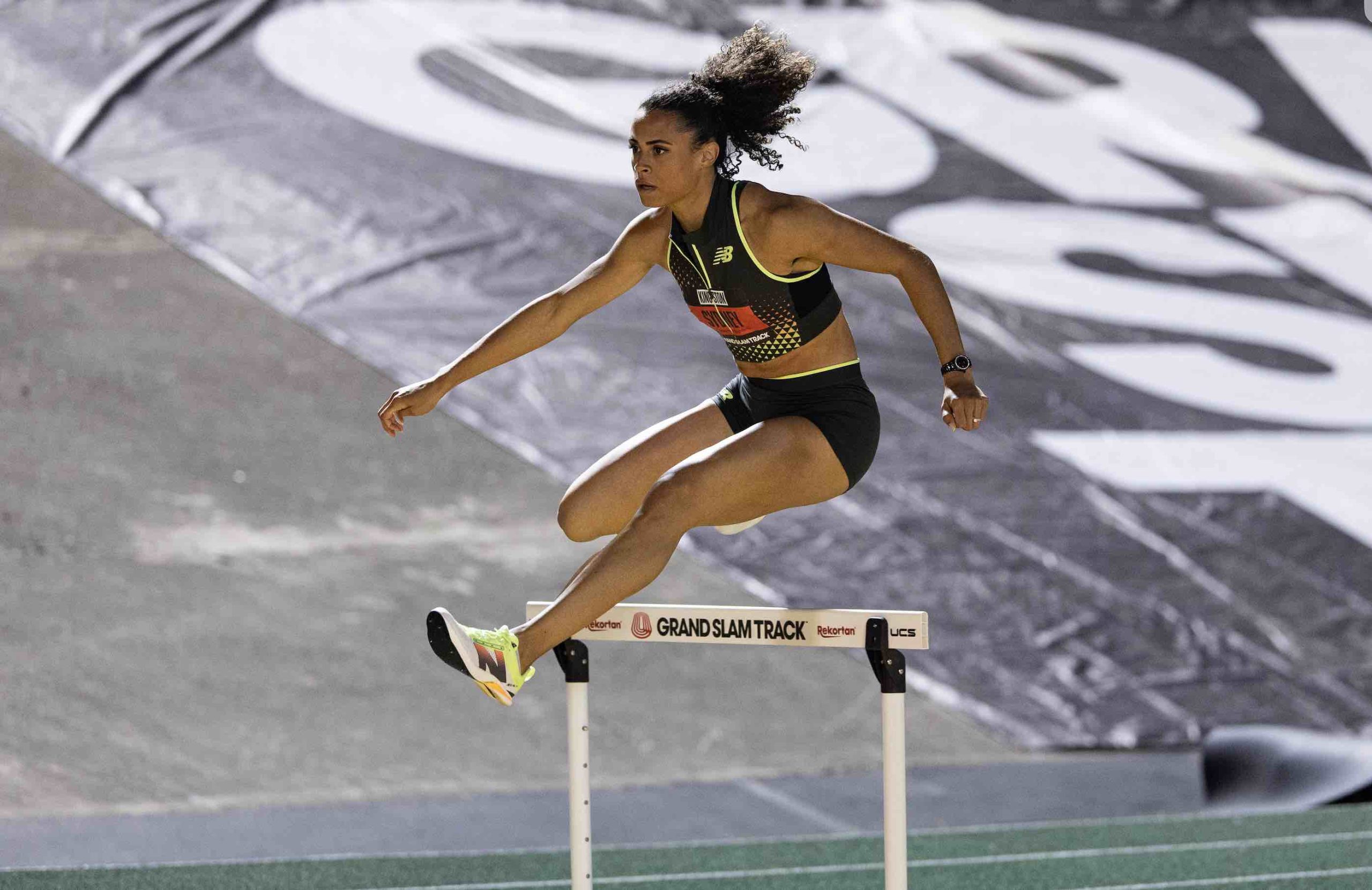
What are your memories of Tokyo 2021?
Sydney: It was a very special moment, for sure. I think the culmination of childhood dreams coming to fruition was amazing. And in a time where covid was trapping so many people inside, I think the Olympics still being able to happen was an inspiration for us to get back out there, to get back to working hard towards our dreams. And so I definitely think it was a special moment, and I’m very excited to come back. I love the stadium, I love the track. I’ve loved every time I visited Tokyo. So yeah, I definitely think it has a special memory in my heart, and I’m sure being able to watch that for people back home, back in 2021 was special as well.
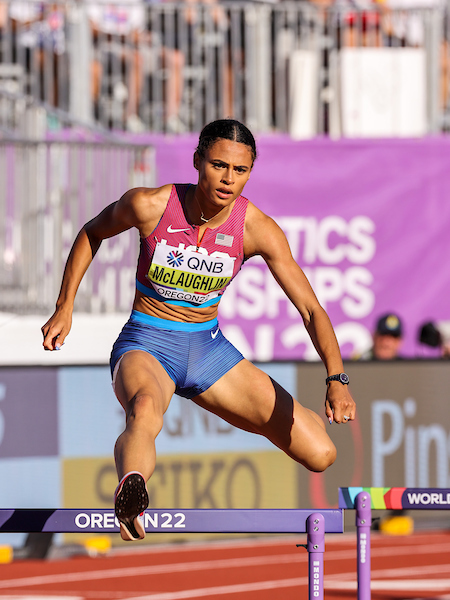
World Athletics Championships
Eugene, Oregon, USA
July15-26, 2022, photo by Kevin Morris
Do you think Marita Koch’s 1977 world record of 47.60 is beatable?
Sydney: It’s definitely a long standing sprint record, for sure. A very fast time. And I think over the past few years, the performances that we have put on have created an appetite for records whenever I step on the track. Everyone’s getting faster, which is great, and I think we’re all pushing each other towards truly running times that you know, we haven’t seen in a long time, or we’ve never seen before. I think in time, if you have the right athlete, in the right circumstances, and everything going right. yes. But I think it’s a very hard time to run. But I think we got to work on getting somebody under 48 seconds first at all, before we can even talk about 47.6.
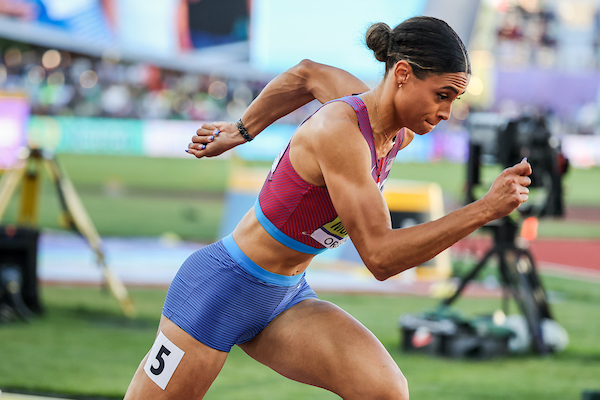
Eugene, Oregon, USA
July 15-26, 2022, photo by Kevin Morris
How do you keep the momentum going in such a long season?
Sydney: It’s definitely been a longer season, for sure and it can definitely feel exhausting and daunting if you don’t handle that well. It’s had its ebbs and flows of competing and training and with the championships being a little bit later, it’s definitely felt more extended. But I think we just do a good job of knowing when to take breaks. My coach does a great job of controlling the training and the mindset of it all.
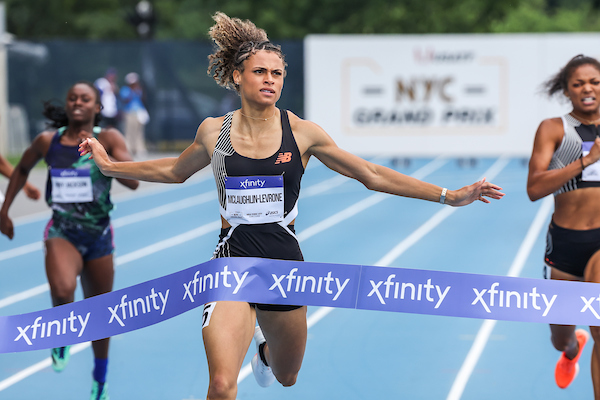
Continental Tour Gold
presented by Global Athletics &Marketing Inc., photo by Kevin Morris
Can you explain the difference between running a 400 hurdles and a 400 flat?
Sydney: Yeah, I think the biggest thing is just the 400 hurdles is such a cadence race that even though you feel like you’re sprinting very fast, you’re still on a stride pattern, whereas the 400 is really just a sprint, and you don’t know where you are in space until you’re there. You could be taking a lot more steps or a lot fewer steps, and the time will show for it. So that’s definitely been the biggest thing is learning that you know you can’t have such a cadence in the 400 as you do in the hurdles, because there’s no barriers that you have to be prepared to clear. And I think that’s been teaching me just to attack the race for what it is, and to learn where I’m at without needing the checkpoints of hurdles around me. It has been a good learning curve for me, since the hurdles have been my specialty for so long. The 400 flat definitely hurts more. You are running faster so there is definitely more lactic involved.
When you were younger you played soccer; do you still play?
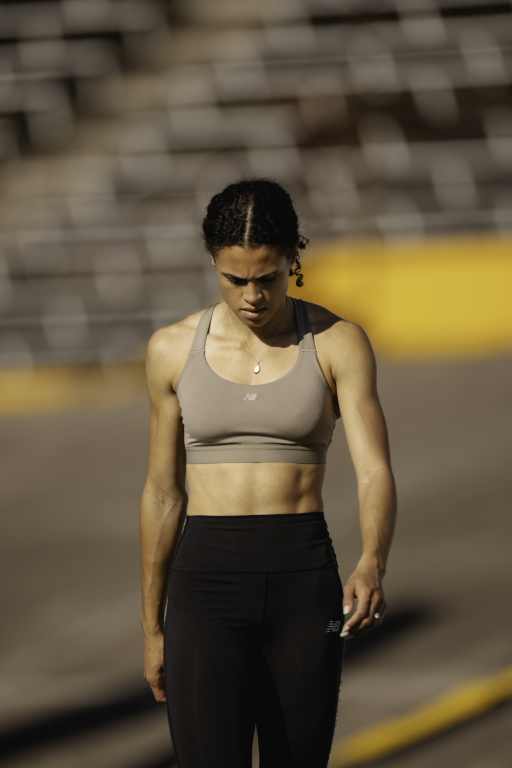
Sydney: No, I don’t play any more, just because I can’t risk getting injured. I would love to, but every time I see a soccer ball, I hear my coach’s voice in my head, and I walk away. But I think if there was another sport I could have done professionally, it probably would have been soccer, just because it does still have that running aspect. I was a right wing when I played, so I loved being able to sprint up the field with the ball and cross it in and let somebody score.
Who are the athletes you will be excited to watch in Tokyo?
Sydney: Great question. Two come to mind. Masai Russell in the 100m hurdles. And, of course, Faith Kipyegon. What Masai is doing in the short hurdles is just unreal and to be so consistent in the 12 lows, I am just so excited to see she can do on the track in the competition. And Faith is amazing, every time she steps on the track she is unreal.
Sydney was speaking to a group of international journalists.