

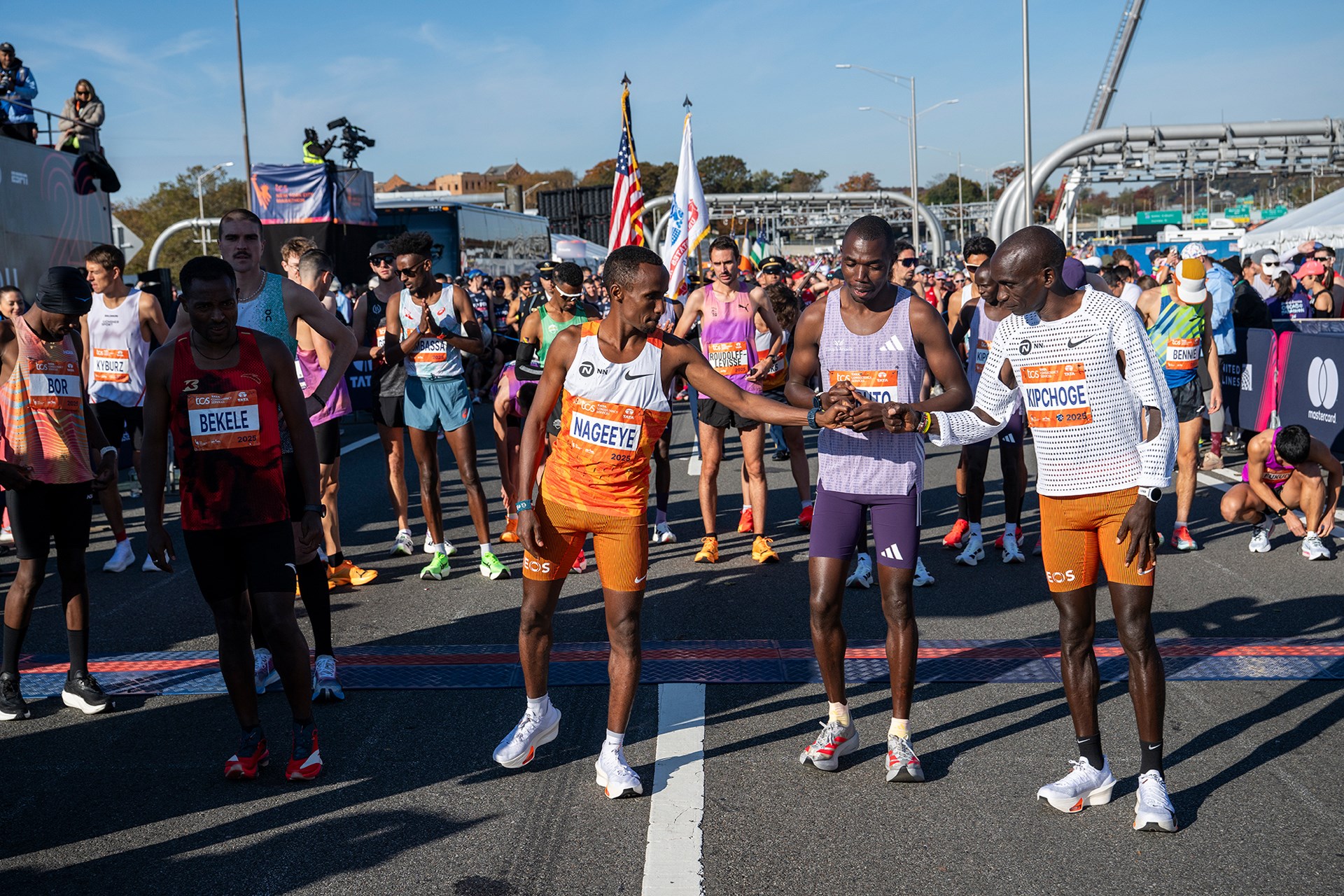
Sifan Hassan and Eliud Kipchoge find meaning on the streets of New York
The New York marathon delivered varying degrees of spectacle to running fans. It was a tale of different stories for different athletes who were in different phases of their running careers. Sifan Hassan ran through the course with her long stride, holding form even as her face gave away the strain. A few minutes later, Eliud Kipchoge appeared, the man whose name has long been synonymous with perfection, now fighting against time, fatigue, and the course itself.
The New York City Marathon does not make room for clean narratives. It is a race that humbles even the best. The bridges bite early, the rolling hills in Central Park grind late, and the city never stops shouting. For Hassan and Kipchoge, two Olympic champions from different worlds but bound by the same restless ambition, the city offered a lesson in limits.
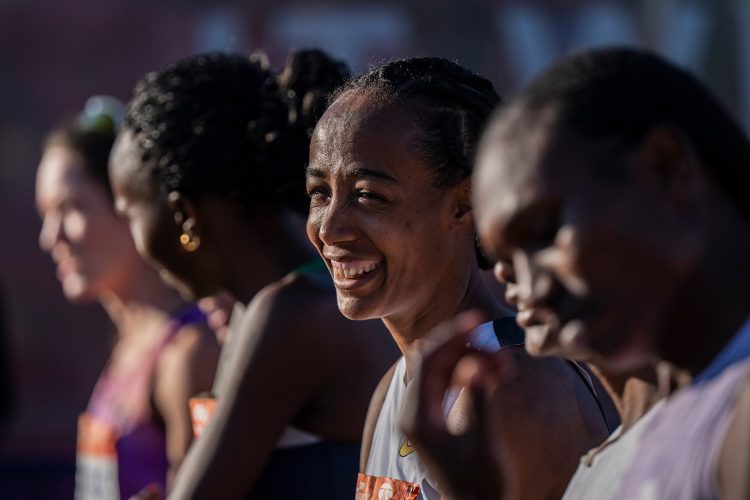
Hassan’s third marathon of 2025 came only nine weeks after her win in Sydney. She had been chasing something intangible, rhythm, maybe, or closure after a year of defying logic. The Dutch star had conquered tracks and roads alike, running with both power and grace. But New York is a different kind of test. By mile 10, her arms had begun to sway wider than usual. By mile 18, the lead pack of Sharon Lokedi, Hellen Obiri, and Sheila Chepkirui had pulled away, their rhythm steady as metronomes. Hassan drifted back, then fought forward again, her breathing sharp, her cadence uneven but defiant.
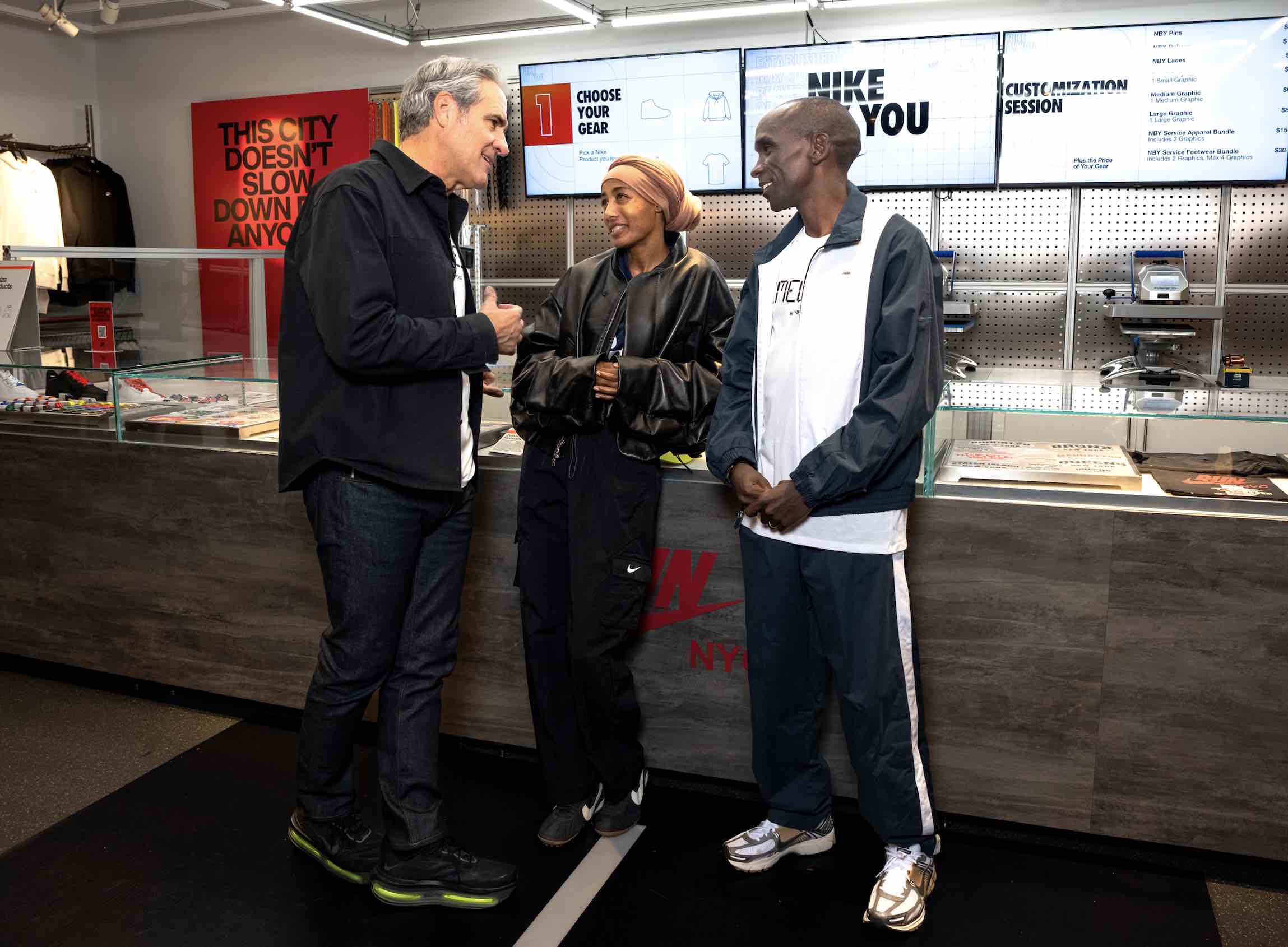
She would finish sixth in 2:24:43, a time that might have been celebrated by anyone else, but for her, it was survival. Still, there was no surrender. When asked later how she felt, she smiled faintly. “It was hard,” she said, “but I finished. That’s what I came to do.”
It was the kind of honesty that makes her both relatable and rare. Hassan does not hide behind bravado. Her greatness lies in her willingness to admit the pain, to show her humanity, even when the cameras are close. The marathon, she once said, “is life in a few hours, you suffer, you doubt, but you keep moving.”
Farther back, Eliud Kipchoge ran in silence. The man who once made the impossible look effortless was grinding through a kind of reckoning. His stride, once fluid and unbreakable, was now deliberate, each footstrike a reminder that mastery has a shelf life. He crossed the finish line in 2:14:36, the slowest marathon of his storied career, good for 17th place. The time didn’t matter. The crowd still rose when he entered Central Park, cheering as though they were witnessing a farewell. Kipchoge waved softly, his smile small but genuine.
Two hours later, he stood before reporters and revealed his next step. He called it the Eliud Kipchoge World Tour, seven marathons across seven continents in two years, each one a chance, he said, to “run for a purpose.” His foundation would support education and environmental causes.
It was a moment both tender and weighty. Even in slowing down, Kipchoge found motion. Surely something that will outlive him.
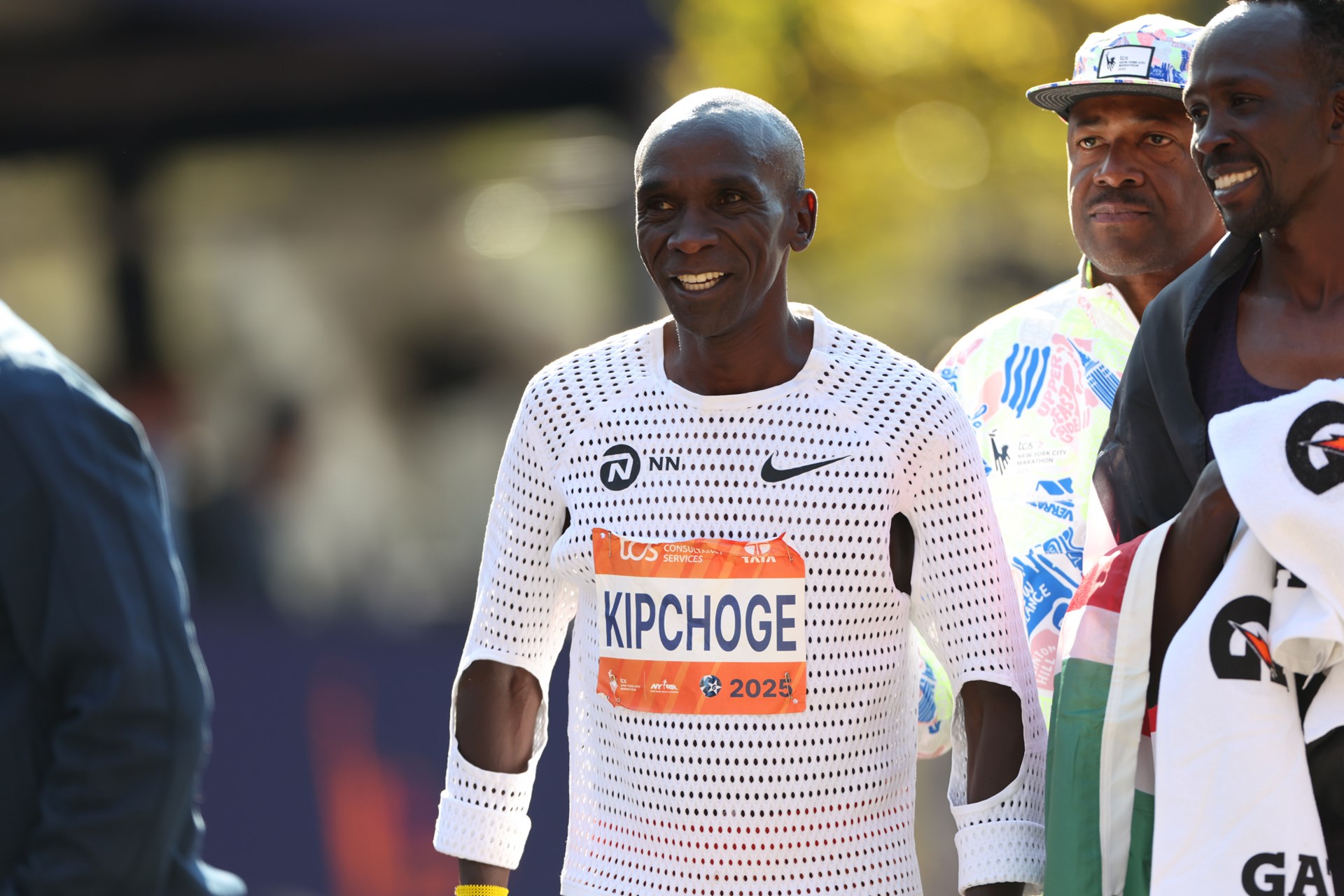
For Hassan, it was another test of endurance, a reminder that greatness is not always defined by victory. For Kipchoge, it was the closing of one chapter and the quiet start of another. And for everyone watching, it was proof that even the best can struggle and still find beauty in the trying.
As the late afternoon sun faded over Central Park, Kipchoge lingered near the finish, jacket zipped to his chin, hands folded. He looked out at the stream of runners still arriving, each one greeted by the same roar. “I wanted to see the bridges,” he said softly. “I wanted to wave to the people.”










Deji,
I’ve been a longtime reader of RBR.
Your writing is a true breath of fresh air, with its insights, clear observations, historical perspective, obvious knowledge, prognostications, and talent galore. You tell it like it is, such as when someone has a bad race.
Please keep writing your articles!
David, You are making me smile. I learned many years ago, from my mentor, Amby Burfoot, that one must writer about what they know with honesty and to the audience they so desire.
Thanks again! Let me know if there are any subjects you so desire a piece on?