


Amy Hunt – student athlete UK style
American readers will be familiar with the concept of being a student athlete – sports scholarships, elite college coach, world-class training facilities etc. Amy Hunt’s experience was anything but that.
In 2019, aged 17 she had taken gold at 200m in the European u20 championships. On leaving High School she was accepted as a student at Cambridge University, which was founded in 1209. Cambridge is an ancient city with a population of 150,000. Not surprisingly when they built the university they did not allow space for parking lots. In any case, UK is largely a public-transport country and students generally do not have cars. In this article I tell the story of the challenges Amy faced combining running at the elite level and studying.
Amy summed it up in one sentence: “Cambridge Uni does not really have the concept of a student athlete”. She continued: “You are first and foremost, in fact solely, a student. And that’s one thing they make very clear once you get into the system. We did try to have a lot of conversations beforehand about my track ambitions. It was an incredibly stressful time, which was not helped at all by the fact that I’ve ruptured a tendon halfway through my second year, when I was just starting to get the hang of how to manage it all.
“I was 18 and I started running. I’d run a 7.2 in January. So I was thinking, OK, we can push into a 7.1. So we get into February and that’s when I did my tendon, which then really probably really soured my relationship with the university and with my tutors because there wasn’t any support offered to me. I essentially got told : ‘What we think you should do is retake the year’. Even though I only had one more term to go, but I couldn’t retake the year because then my final year would have been an Olympic year (2024) and I knew that was absolutely a no. That would have been impossible. You wouldn’t be seeing me right now? I’d be dead and buried”.
Amy found the system completely intransigent; it was either carry on as normal or a complete retake of the year. Amy was like, “how has nothing happened in the thousand year history of this institution where someone has had something similar and had to just push back the exams, but their system is so rigid and is also incredibly complex, with the relationship between the colleges and departments and university and so it makes any of variants or non-compliance extremely tricky to deal with. So because I was such a unique conundrum. such a rare specimen within that system it became a lot of stressful conversations. Also I think academics’ understanding of sports is a very different understanding to what you or I have. It was a lot of the time I found myself trying to explain to people. When I say I’m doing this, I’m not just going down to the track and just messing around. It’s a very serious endeavor and it’s a very heavily involved job and one that, I was telling them, not meaning to spin out an overused phrase, but telling them being an elite athlete is a 24/7 and 365 day thing”.
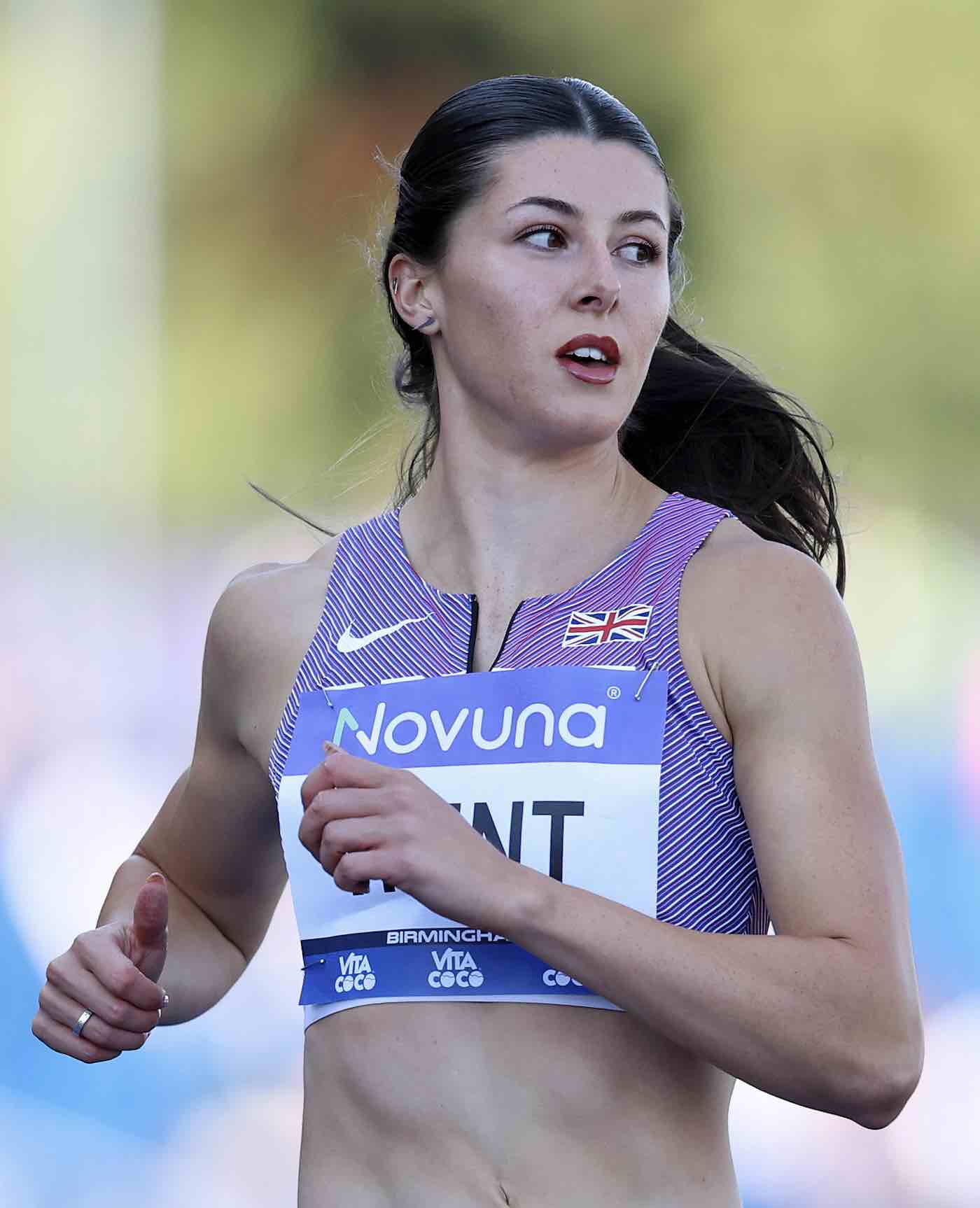
And it was trying to explain to them, I had this job as an athlete before I joined the Uni; I was actually a sponsored athlete before I joined this uni. And I will have this job when I leave. So you guys are not the main thing in my life. But they want to be the be all and end all in your life. It became very toxic. So it was incredibly stressful. The people there were so lovely and have so many incredibly close friends from university and some gorgeous, gorgeous people, but the system itself is very tricky. Having said that, I really want to be able to help other athletes go through the Oxbridge experience”.
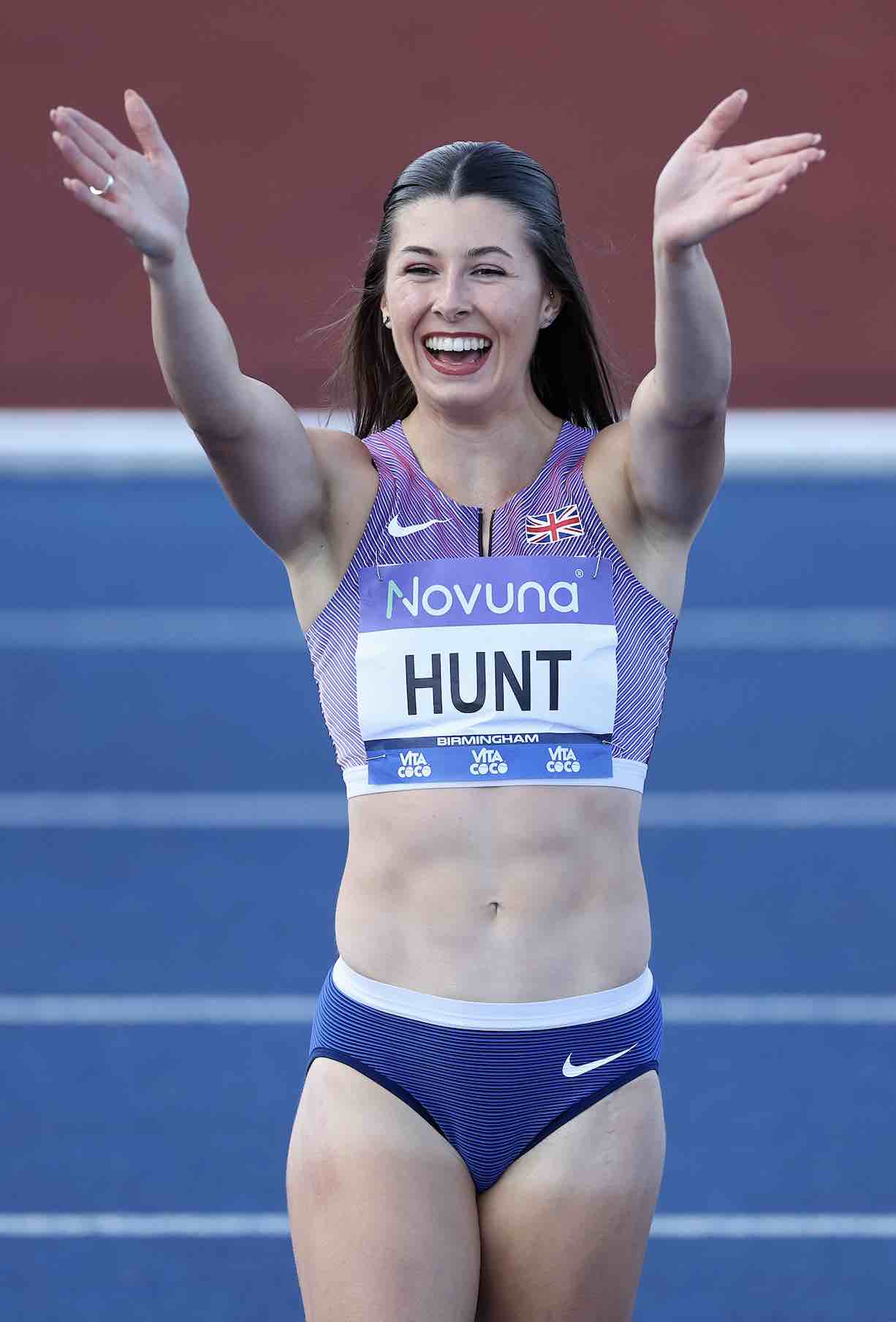
It all ended happily with Amy gaining a Cambridge University degree which she describes as, “probably the most valuable degree on the planet, that will set me up for life outside of sport or for anything I want to do. And it’s just something I knew I was capable of, and it was an incredible task to do. And I’m really incredibly proud of myself for going through with it”.
The whole experience has left Amy with a real desire to help others who are in the same boat. She felt privileged to be academically bright and with a world-class talent for running but was frustrated to be pressured to choose one or other. She says : “It would be so good to see a lot more athletes go through the Cambridge experience because you shouldn’t have to choose. I think it’s really tricky as a British athlete because you really have to. You get to 16 or 17 and you have to choose whether you want to do an academic degree or whether you want to take sport seriously. And it shouldn’t be that way, because they should both be able to work together. And you shouldn’t have to sacrifice one thing that you’re good at and one thing that you love in order to pursue the other thing, especially because they can help each other and it makes you a much better person, and it equips you with such kind of intangible and amazing skills to handle life. But it is a very complicated once you’re there to try and deal with the logistics. Looking back, it is something that I’m really glad about and I don’t regret making the decision to do it. I just wish someone had warned me how stressful it was going to be”.
The lack of elite training possibilities and the lack of car-parking in Cambridge provided a real logistical challenge – in the sense that she could not drive herself as they was nowhere to park anywhere near her college when she returned from training late at night.. The UK Athletics elite training center is in Loughborough, 95 miles north of Cambridge. And that is 95 miles cross country. She explains how she managed: “On Wednesdays I would have work and lectures all day. My dad would drive all the way down to pick me up in Cambridge. We drive back up to train in Loughborough and then when I finished the session he would drive me all the way back down to Cambridge and arriving at midnight and then he’d have to drive all the way back home – 85 miles. He was doing about 7 hours every single week, just because the people and the systems around me at the time essentially, placed all of the burden on to me. I didn’t feel in any way supported by anyone outside of my friends and family at that at that time. You know, the onus was on me to do all this travelling and all this sorting and arranging and logistics”.
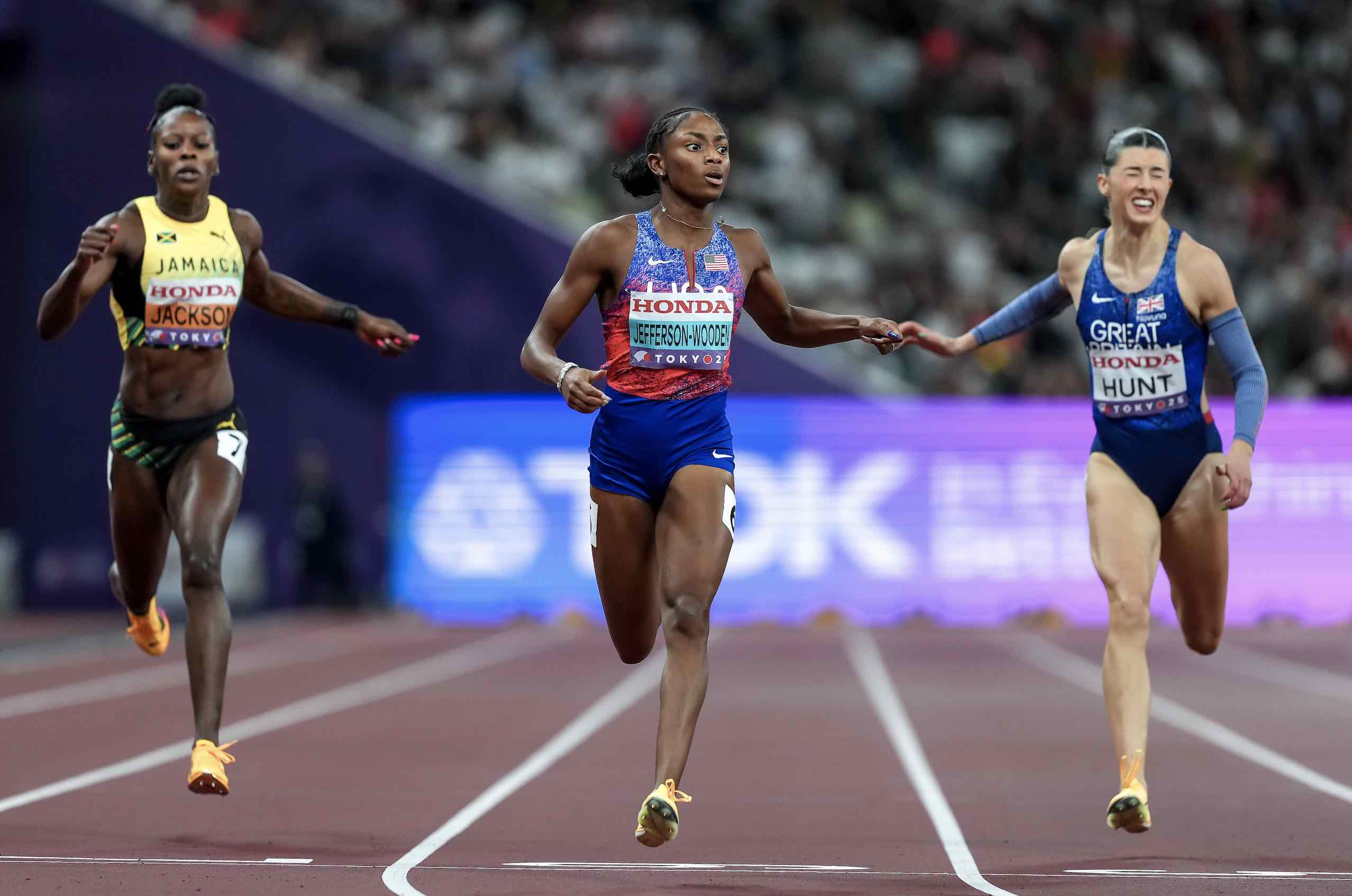
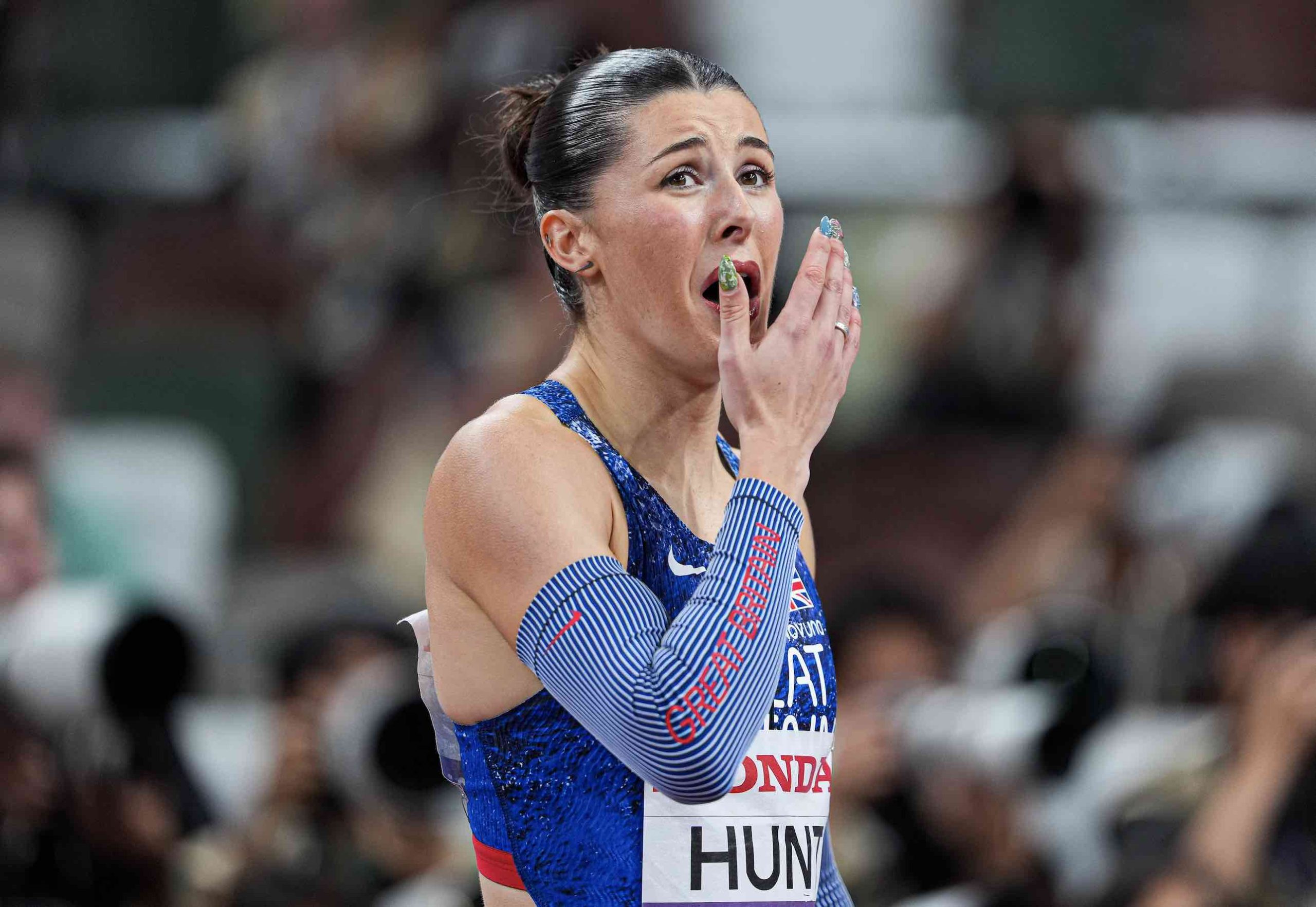
It is hard to imagine what Mr. and Mrs. Hunt felt when their Cambridge graduate daughter stormed to silver in Tokyo this summer, knowing the sacrifices she and they had made.










Did you ever send the photos I sent to you via MARCO AIRALE as never reached me
Richard,
Not sure I was sent the Marco Airale photos, I will check and see!