

Amy Hunt excited about Tokyo
The past year has seen Amy Hunt make significant progress. At the Paris Olympics, she was selected only for the 4X100 relay. She did not make the team for the individual 100 m or 200 m. This year, she has run new PRs at 60,100, and 200 and reached the final of the World Indoors 60 as well as picking up a World Relays gold medal. She has also put together a series of good Diamond League performances – races she would have struggled to get into last year.
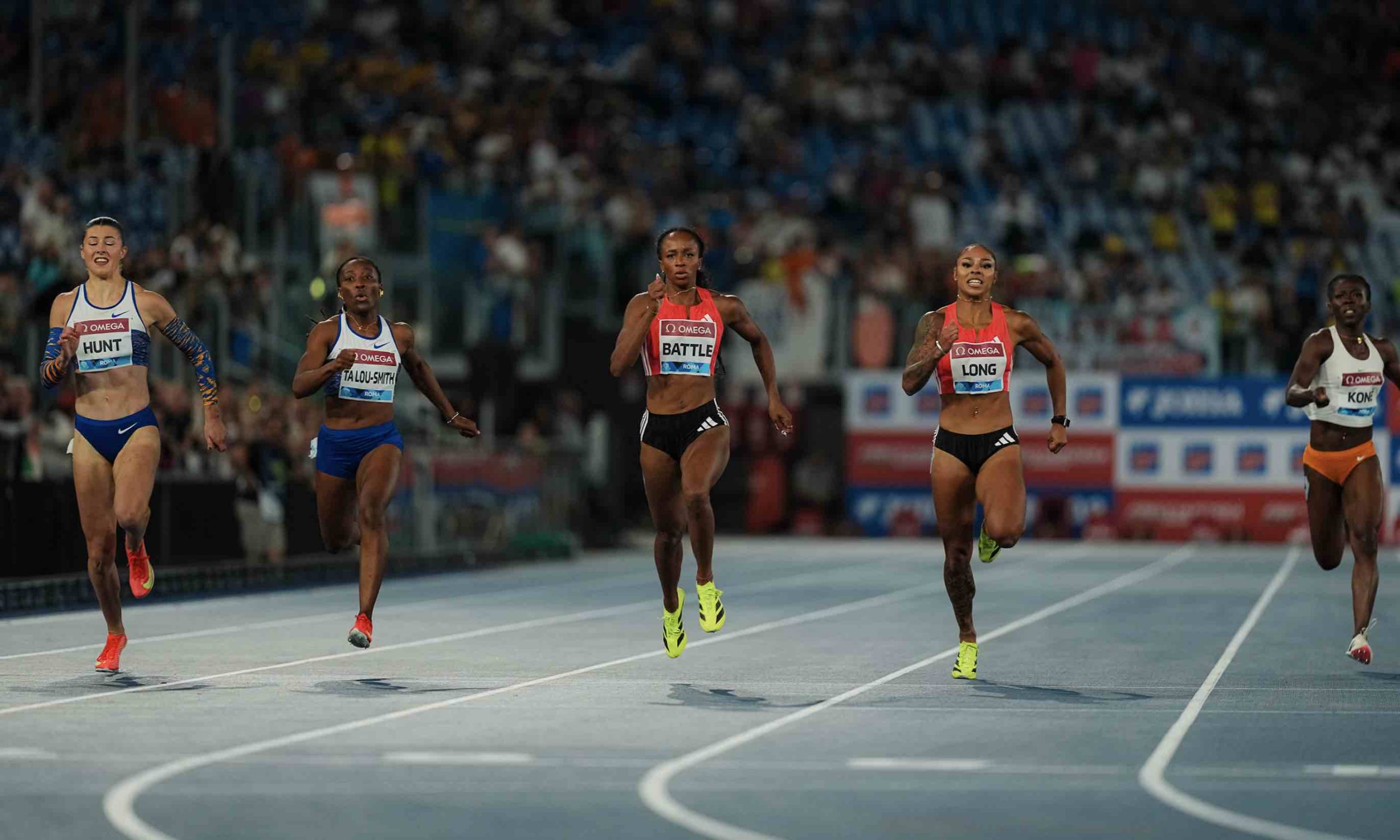
In Tokyo, she will run all three races. As she said, “I’m going to be very busy in Tokyo with only a couple of days off, but I’m 23, so why not do as many things as possible? It’s the first chance to really try the double and then get two or three more years to get used to it before LA”.
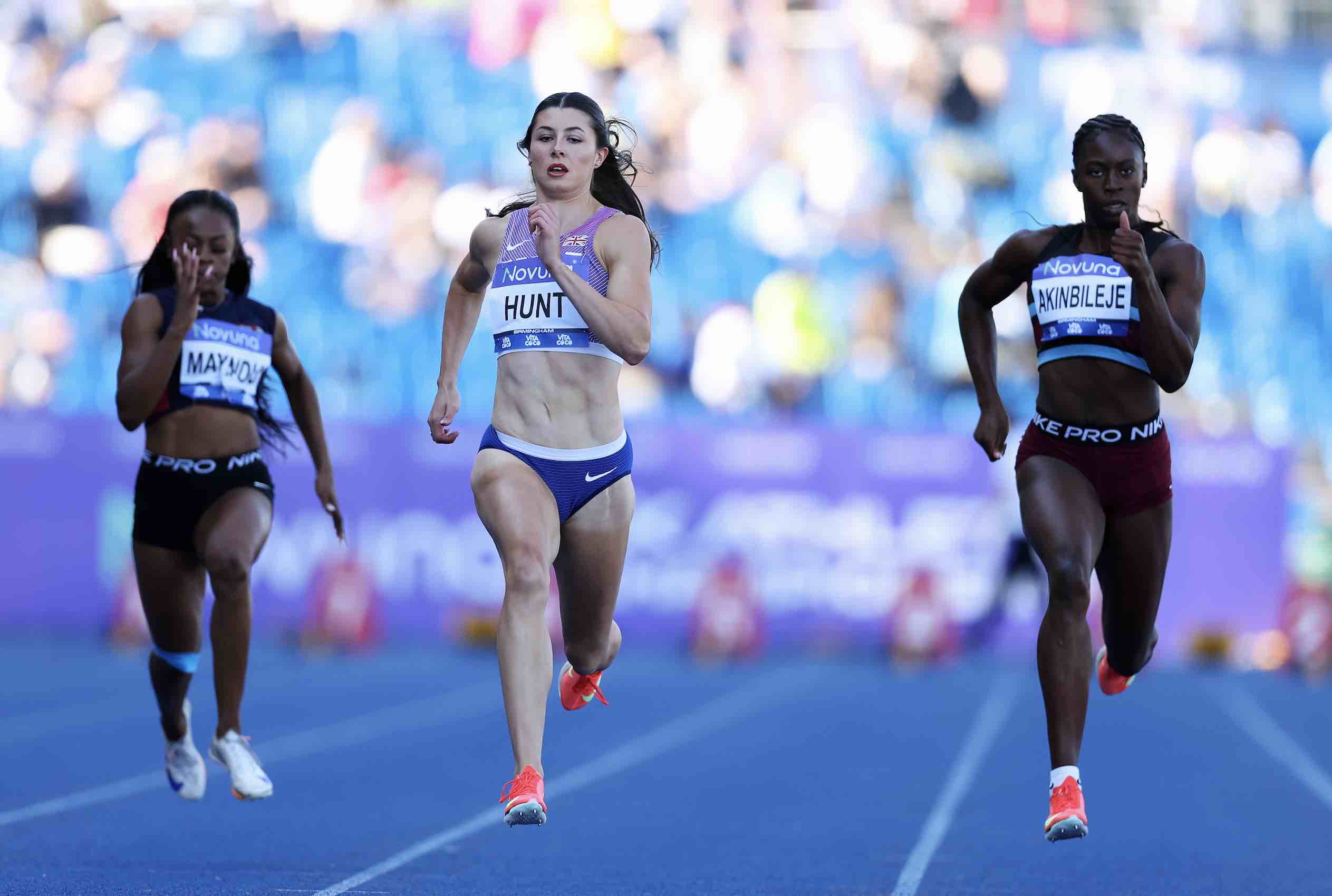
After university, Amy joined Marco Airale’s training group in Padua, northern Italy. At the time, the group included Darryl Neita, Jeremiah Azu, and Adam Gemili, but when the other Brits all left after the 2024 season, Amy stayed on and loves it there: “It never crossed my mind [to leave when the others did]. It was never something I even considered. I think ever since I joined the group, I’ve gone from strength to strength. I live my dream life in so many ways. I moved to Italy at 21. That’s so cool. Like, who gets to do that? I also love the group environment and the people, as well as the heat and training. The warmth is so good. I’ve just loved to train here and I think it’s made me into such a better athlete and a better person”.
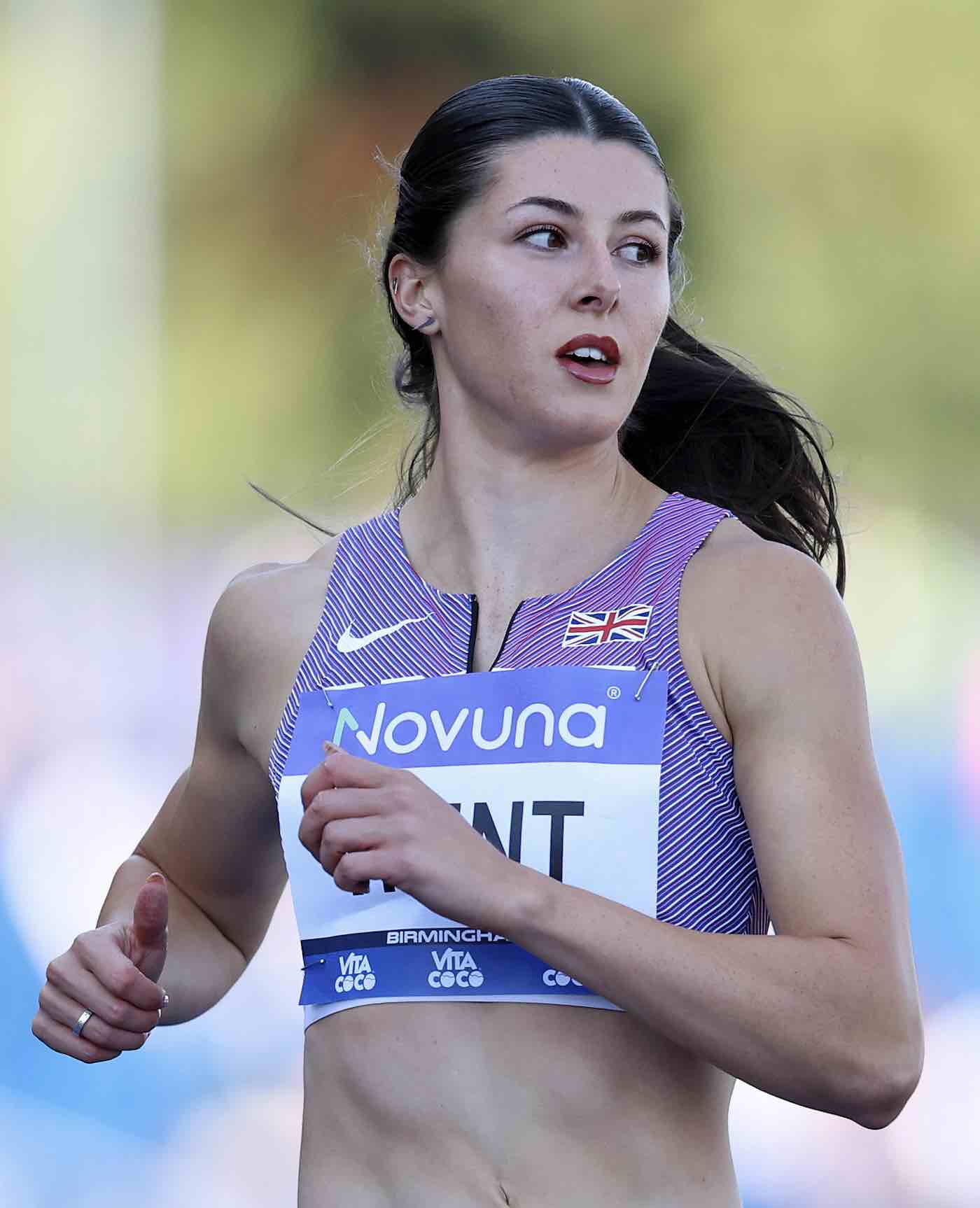
Marco and I have been working together for two years now, and our relationship has grown and flourished to the point where we can communicate so clearly. And we understand each other’s needs well, and he really challenges me in training sessions. When I hear them just before I do them, it seems so overwhelming. But I know that he’s not going to challenge me to do anything he knows I can’t do. Anything he gives me in the form of a session, I’m going to be capable of. It gives me confidence, knowing that he has that belief in me. But he also challenges me even during the session. Like asking, ‘how did that feel? And then? Why did you feel that? Why do you think that happened? What can we do to fix it?’ He really challenges me and pushes me to be a better athlete and a better technician, executor, human being, which is all good.
“He puts in so much time into all of us, all of his athletes, and we all have very good relationships with him. He really works hard to make it a an elite environment where everyone can bounce off each other and thrive. And even in terms of making sure we have the best equipment although we train at the most random tiny track in Italy and the gym is very rudimentary. It’s just got bars and weights but he makes sure that he has enough racks for all of us, and he just makes everything seamless. So all that I have to do every day is get on the little tram with the old Italian ladies, to the track, put in 110% effort and then go back home. It means that I can focus on controlling what I need to do. And I just know that everything’s going to be set up when I get to the track. There’s going to be multiple coaches, physios etc. It means I have to think as little as possible, which is how it should be. I should just be coming to track, thinking about performing as well as I can do in that moment”.
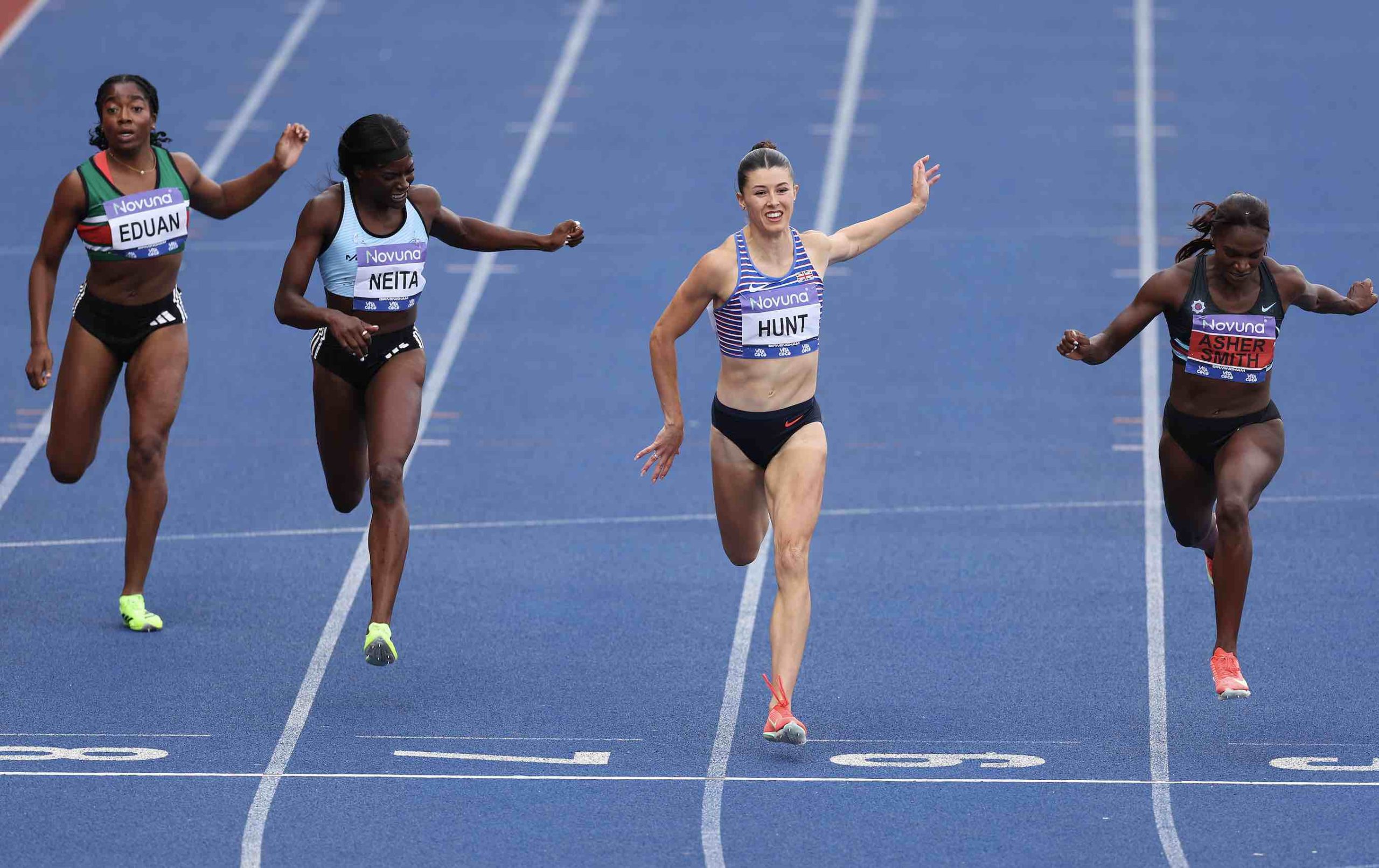
She explained further her love of the training environment: “I went to Venice with my mum for my 20th birthday and it’s the place I’ve always, always wanted to go, my one place in the world that I was absolutely dying to go to. I went for my birthday and then the opportunity to train there came a year later. And I couldn’t believe I was able to combine two of my passions in one place, as a lot of my English degree focused on the Renaissance and medieval period. So, I go to places that I’ve written about, like the original Botanical Gardens, the first one ever in the world. I remember learning about that, and now I live about 200 meters away from it. Honestly, when I stop myself and think about the life I have, it fills me with such joy. Every day, I wake up and open my shutters to see the Piazza and the people walking across, along with all the different dogs, and the monks and nuns. It really makes me feel so happy to wake up and face that every single morning. It has had such a profound impact on my own self and my own happiness”.
Amy is a tall girl, and I was interested in knowing if she saw herself concentrating on both sprints or if she felt she was more suited to one. She told me: “I think 200. I have the most respect for the 200. It’s one of the most challenging track events, and people don’t always give it the respect it deserves. You have to be very switched on and able to manage many different things, going with a plan to handle running not on a straight line. You have to be able to get out of the blocks well and then run around the bend into a straight line, where you have to stay strong. And it’s hard, those last 50 meters. You have to want it really badly. And again, that’s something you can’t teach or coach; you have to have it. It’s this ineffable thing – you have it or you don’t. I personally believe that I will become a better 200-meter runner because I will continue to get stronger. I’ve only had two years on the Marco. So far, we’ve already made such big leaps. I also think the 100 is the slightly easier one to fix.
“But the 200 takes a lot more, a lot more time and a lot more hard work to really be genuinely world-class at it. And it involves pushing into the deepest depths of hell during training, which is something I enjoy. But, I think the 200 is much more. I think it’s a much larger thing to grapple with than people sometimes realise.
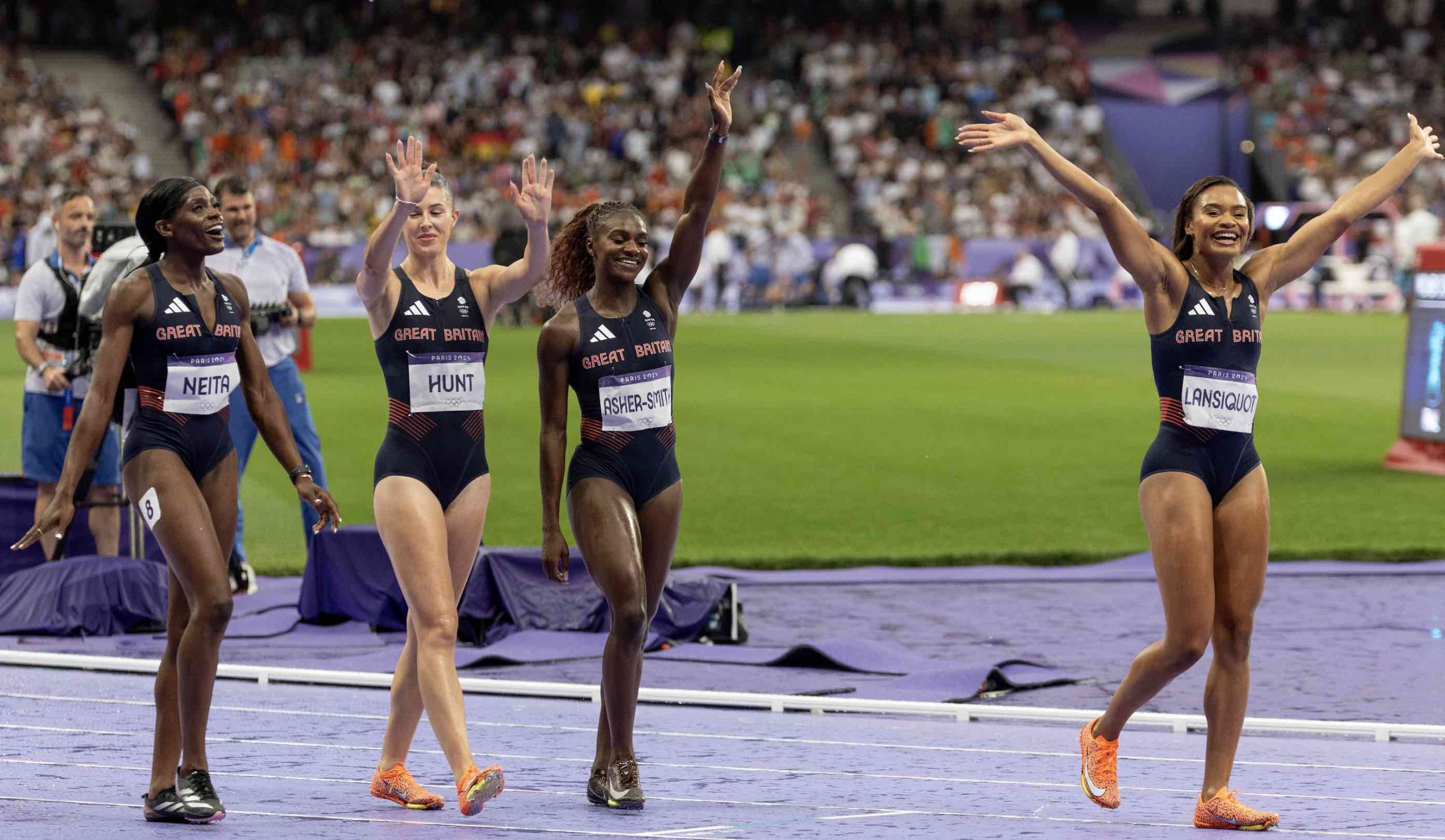
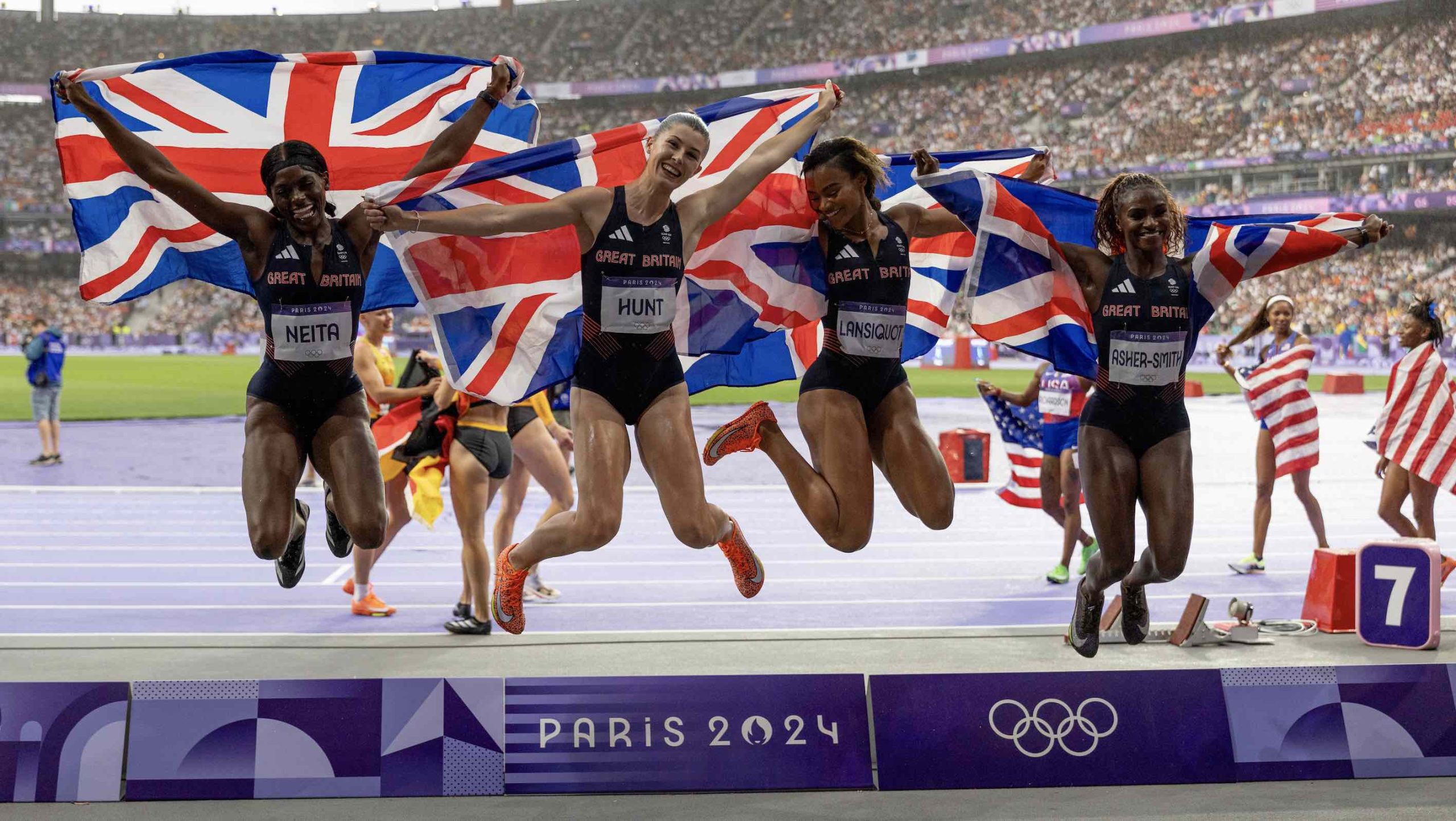
Going back to 2024, not making the GB team for the Olympics in an individual event was a massive disappointment. Still, she dealt with it and moved on: “It was very frustrating not being selected individually. I think if I were representing any other country, I would have, by the very nature of medaling in both events at trials, gone individually. So there was definitely a lot of emotion bound up in that, especially because trials don’t always allow you to run a qualifying time with how the weather usually turns out. So by the time I got to trials, I knew that the window [to get the qualifying time] was closing quite rapidly on me. However, I then spoke to many friends and family. I ended up framing it in a way that not many people get to go into their first Olympics as a gold medal contender. I was going into these Olympics as a world leader in the four by one and as one of the favourites for the gold, and with an excellent, amazing, wonderfully capable team around me”. In the end, they had to settle for silver, but only just.
Finally Amy reflects on her hopes and expectations going into the World Championships in Tokyo: “I think a lot of people probably see me as like a big contender in the 200, which I obviously I also do, but I think the 100 is one of those where your championship pedigree and your experience and your maturity really comes through in how you can run your rounds. In the 100, it’s not always the fastest people on paper that end up in the final. I mean, we saw last year in Paris that you can run 11:07 and make the final. But it was one of the most hotly contested champs for women sprints for a long time. So, yeah, I think for me, it’s that I would love to reach the final. That’s a big target for us. I’m coming to this ranked 8th or 9th. I’m not sure when the rankings are updated. It would be really fun to come away with something better than that. I think in terms of champs, there are no limits. There’s always room to step up. And I think I tend to step up when we get to championships. So it’d be good to continue that trend and see where it takes me”.
One year on, she is ready for Tokyo and a busy 10 days.