
2025 Tokyo preview – Max Burgin
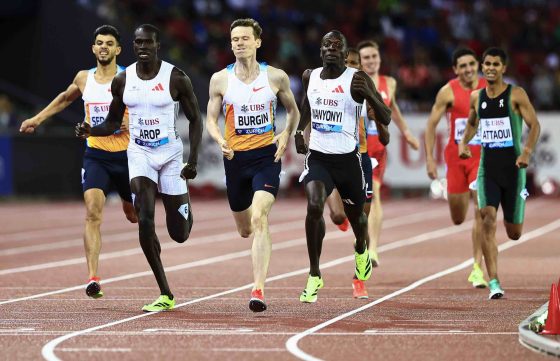
When Max Burgin finished second in the Diamond League final in Zurich last month in 1:42.42 – just 0.05 seconds behind Emmanuel Wanyoni – it seemed a significant moment. He told me what he had taken from that performance: “A lot of confidence that I can be that close to not just Wanyonyi, the Olympic champion but with Arop, the previous world champion and also properly in the mix. I think that’s the first time this season that I’ve really felt like I had a proper chance of winning and had things gone slightly different, I think I could have”. When pressed as to whether a championship race (like Tokyo) without a pacemaker would unfold differently, he replied that he did not think so, explaining: “I think in our event how Wanyonyi often approaches championships means that the races go quite similarly either way. Now obviously that could change. He could change that and if he does, I think, it would be a considerably different race because there’s not too many other front runners in the mix at the moment. Whether it will be any different than a paced race, I have no idea, but I think it would be very interesting because we haven’t really seen a proper slow tactical one in the Diamond Leagues at all this year”.
Approaching Tokyo, Max is in a great position, which he puts down to the simple fact of not being injured and therefore getting in a full season: “I don’t think much approach-wise has changed at all. Obviously it has been a great season, consistency-wise, my first one since probably 2018 that I think I’ve actually managed to have a full season and hit pretty much every race I wanted to. The issues that I’ve had in the previous three years haven’t really been ones that had been brought about by anything specific in training. There’s nothing that we’ve done really to bring them on, especially that sural nerve issue that has been the main thing bothering me the last two years. That’s mainly been managed this year and sorted through a few series of stripping injections that I’ve got over the winter. And I guess maybe more knowledge of how to avoid setting it off. So maybe a few minor adjustments here and there, but mainly it’s just been a case of those things becoming resolved and me being able to actually train the way we wanted to train”.

He explained further: “I’ve known for years now that if I could string more training together than I’ve been managing and more races as well and get that experience that I’d be able to show a much better standard of performance. So I wouldn’t say for me running 1:42 this year has been a surprise. I think it was very much a target, very much something we expected and hoped to do. As for being competitive in races, or certainly more so than I have been in previous years, I think that is another product of being able to be in these Diamond League races regularly and just learning how they go and the best way to approach them. This year has been particularly good in the way it’s lined up in that the top lads have been in most, and they have been at an incredibly high standard this year. So I’ve really benefitted from that because every race I’ve done has been almost like a World Champs semi-final or World Champs final in quality. And I think that really has brought out some good times and some good performances out. And again, it gives me a lot of confidence going into these world championships now because I’ve run against these fields all year”.
Looking back at the bad times, Max recalls qualifying for the 2022 World Championships and then having to withdraw and the aftermath: “The winter I had after Eugene was probably the lowest point I’ve had in athletics. I’d just come off a few years of hamstring injuries before that, which were all preventable ones, annoying, but nothing that indicated that I wouldn’t have a career. But then then I got that DVT and throughout that winter, I started developing the Achilles problem as well, and that combined with the second year of university, all seemed quite a lot at that sort of time and I’d say that’s probably the closest to finishing off and thinking that I can’t do this, that I’ve ever got to. But I just kept ticking along and then pushed through that winter and just saw what I could do the next year, even with the limitations on the Achilles and getting through that and still making the team for the champs. It was enough for me to prove to myself that I should keep going because one of these days you will have a season where you don’t have an issue like that and you can afford to push through these seasons. You know where things don’t go right but you’re still making championship teams, you just need to hang in there and still treat it like a career. And then I’m grateful to have finally made it through to three years later”.
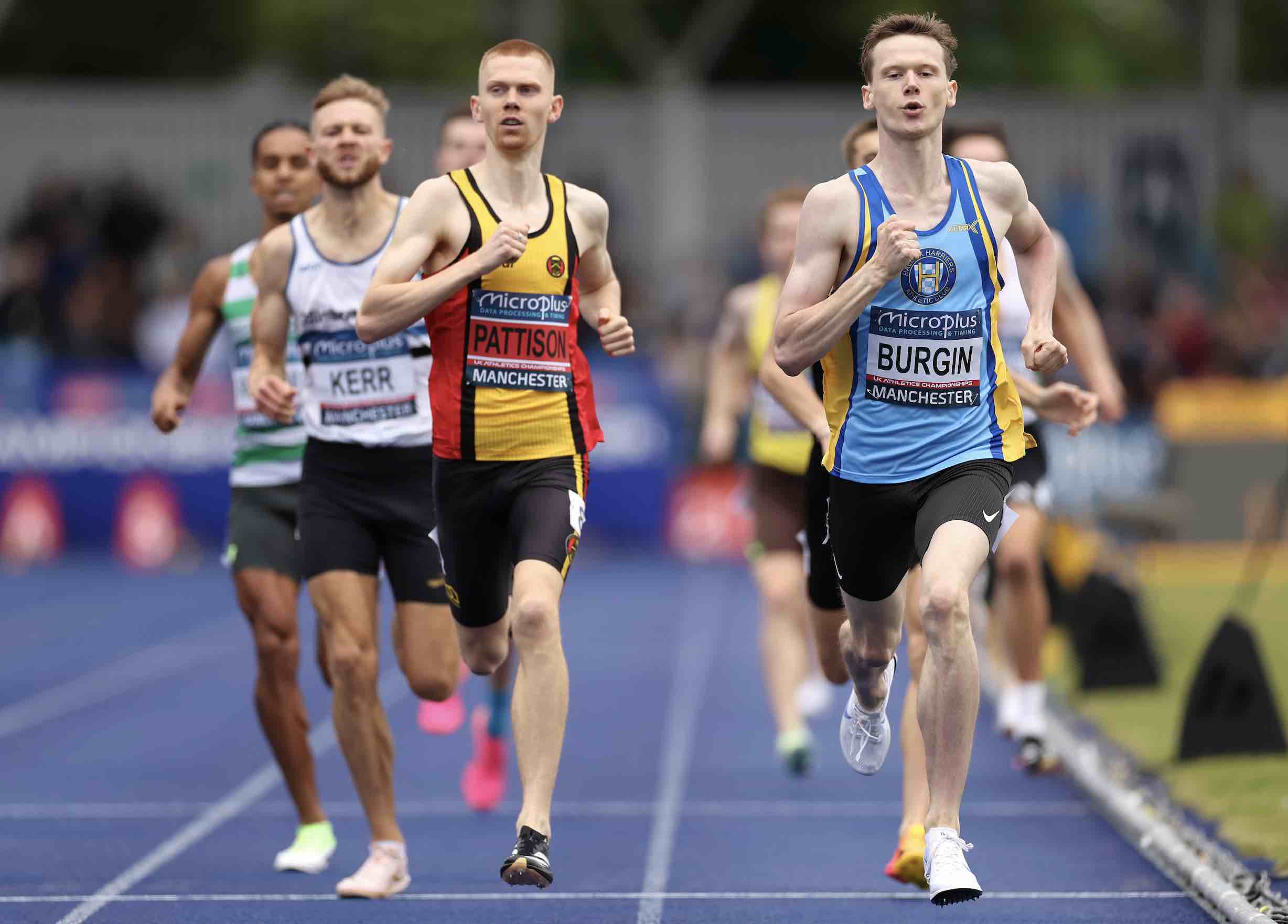
Most elite athletes are part of a training group. American athletes often stay with their former college coach. Max is coached by his dad, Ian. Athletics runs in the family. Max’s grandad used to run and took Max to the local club. By the age of 14 he had outgrown the support the club could offer and his dad – a 1:48 runner himself – took over. Max sees the partnership as a real positive: “We haven’t really looked back. I think over the last years in particular, it’s been a massive benefit. Having my dad in that coaching role just, someone who’s going to have the patience to get through all the setbacks – someone who’s obliged to stay there and stick it out with me. I can’t think of a better way to put it than someone you can’t get away from someone who’s a constant in your life and keeps you accountable”. Ian doesn’t coach anyone else – just Max. He is not the first British father to coach his 800m-running son. Peter Coe did and his lad didn’t do too badly!
Now with Tokyo just round the corner and the 800m looking an exciting event. Max feels he is in a great position to challenge for a medal.